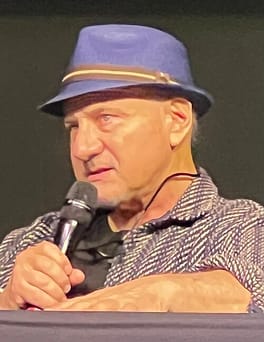
Photo: TaurusEmerald / CC BY-SA 4.0 (source: Wikimedia Commons)
Born on August 29, 1955, Newton Thomas Sigel is from Detroit, Michigan, United States. Newton Thomas Sigel is credited as a cinematographer, screenwriter and film director. The age as of 2026 is 71.
My Take
Newton Thomas Sigel is the kind of artist I think audiences should know better, even if his name sits in the credits rather than on the poster. A Detroit-born cinematographer celebrated for his collaborations with Bryan Singer, he is the eye behind films whose moody, sculpted light does half the storytelling. The thought that the look of works like The Usual Suspects and the X-Men films ran through his lens is genuinely thrilling to me. He also writes and directs, and carries the ASC distinction that marks the real masters of the craft. I admire how completely his intention seems to live in every frame.
This take was written by generative AI, one per person, from publicly reported facts (editorial policy). It is a reading of the record, not reporting.
1. Profile
- Name (English)
- Newton Thomas Sigel
- Name (Japanese)
- ニュートン・トーマス・サイジェル
- Reading
- にゅーとん・とーます・さいじぇる
- Born
- August 29, 1955 (age 71)
- Origin
- Detroit, Michigan, United States
- Occupation
- cinematographer / screenwriter / film director
- Zodiac / Chinese zodiac
- Virgo / Goat
2. Links
- Wikipedia (English)https://en.wikipedia.org/wiki/Newton%20Thomas%20Sigel
- Wikipedia (Japanese)https://ja.wikipedia.org/wiki/%E3%83%8B%E3%83%A5%E3%83%BC%E3%83%88%E3%83%B3%E3%83%BB%E3%83%88%E3%83%BC%E3%83%9E%E3%82%B9%E3%83%BB%E3%82%B5%E3%82%A4%E3%82%B8%E3%82%A7%E3%83%AB
- Wikidatahttps://www.wikidata.org/wiki/Q1367452
3. About this entry
Tags
- Last updated
Facts are limited to publicly available information up to 2024; non-public or unconfirmed items are omitted. English text is machine-assisted (facts translated by Sonnet, "My Take" written by Opus 4.8). The Japanese page is the source of record.
Frequently asked questions
When was Newton Thomas Sigel born?
Born August 29, 1955 (age 71).
Where is Newton Thomas Sigel from?
Newton Thomas Sigel is from Detroit, Michigan, United States.
What does Newton Thomas Sigel do?
Newton Thomas Sigel works as cinematographer, screenwriter, film director.
Cinematographer — see all → · Screenwriter — see all → · More people from the United States →