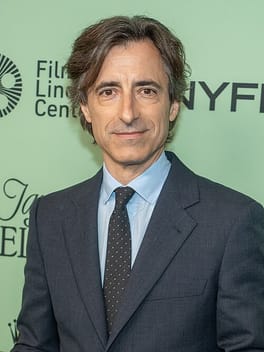
Photo: Bryan Berlin / CC BY-SA 4.0 (source: Wikimedia Commons)
Noah Baumbach is a screenwriter, film director and film producer, born on September 3, 1969 in Brooklyn, New York, United States. As of 2026, Noah Baumbach is 57 years old. Schooling on record includes Midwood High School and Vassar College.
My Take
Noah Baumbach is, for my money, cinema's sharpest chronicler of articulate people who cannot actually communicate. His New York stories turn family arguments into something close to chamber music, and the dialogue cuts because it is written with love rather than contempt. I find his collaborative instincts equally telling: the partnerships with Greta Gerwig, Adam Driver, and Wes Anderson suggest a director who thrives on friction between strong voices. Four Academy Award nominations have not sanded down his style, which to me is the mark of a real author. If you care about how people talk when they are hurting, Baumbach is essential.
This take was written by generative AI, one per person, from publicly reported facts (editorial policy). It is a reading of the record, not reporting.
1. Profile
- Name (English)
- Noah Baumbach
- Name (Japanese)
- ノア・バームバック
- Reading
- のあ・ばーむばっく
- Born
- September 3, 1969 (age 57)
- Origin
- Brooklyn, New York, United States
- Occupation
- screenwriter / film director / film producer / actor / film actor
- Zodiac / Chinese zodiac
- Virgo / Rooster
2. Background
- High school
- Midwood High School
- University
- Vassar College
3. Links
4. About this entry
Tags
- Last updated
Facts are limited to publicly available information up to 2024; non-public or unconfirmed items are omitted. English text is machine-assisted (facts translated by Sonnet, "My Take" written by Opus 4.8). The Japanese page is the source of record.
Frequently asked questions
When was Noah Baumbach born?
Born September 3, 1969 (age 57).
Where is Noah Baumbach from?
Noah Baumbach is from Brooklyn, New York, United States.
What does Noah Baumbach do?
Noah Baumbach works as screenwriter, film director, film producer, actor, film actor.
Screenwriter — see all → · Film director — see all → · More people from the United States →