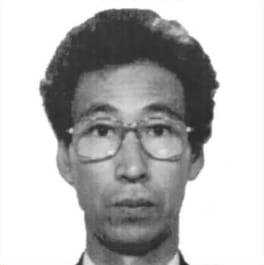
Photo: 警察庁 / CC BY 4.0 (source: Wikimedia Commons)
My Take
There's something genuinely unsettling about a guy who's been a wanted man for half a century and is apparently still out there. Norio Sasaki started out in the East Asia Anti-Japan Armed Front's "Wolf" unit in the early 1970s, was tied to the 1974 Mitsubishi Heavy Industries bombing, and then — instead of lying low — somehow graduated to the Japanese Red Army and a role in the Dhaka JAL hijacking. Slipped back into Japan on forged passports not once but twice. As of the early 2020s, authorities were still updating his wanted poster, this time aging him up to look like your average 70-something retiree. Whether you see him as a true believer in a dead ideology or just a man who burned every exit behind him decades ago, the sheer stubbornness of still being at large is… something. Not admirable. Just strange and a little haunting.
This take was written by generative AI, one per person, from publicly reported facts (editorial policy). It is a reading of the record, not reporting.
Overview
Norio Sasaki (born August 27, 1948) is a Japanese individual from Otaru, Hokkaido. He attended Hokkaido Otaru Choryo High School. Public information about his activities and background is extremely limited.
1. Profile
- Name (English)
- Norio Sasaki
- Name (Japanese)
- 佐々木規夫
- Reading
- ささき のりお
- Born
- August 27, 1948 (age 78)
- Origin
- Otaru, Hokkaido, Japan
- Occupation
- Terrorist
- Zodiac / Chinese zodiac
- Virgo / Rat
2. Background
- High school
- Hokkaido Otaru Choryo High School
3. Links
4. About this entry
Tags
- Last updated
Facts are limited to publicly available information up to 2024; non-public or unconfirmed items are omitted. English text is machine-assisted (facts translated by Sonnet, "My Take" written by Opus 4.8). The Japanese page is the source of record.
Frequently asked questions
When was Norio Sasaki born?
Born August 27, 1948 (age 78).
Where is Norio Sasaki from?
Norio Sasaki is from Otaru, Hokkaido, Japan.
What does Norio Sasaki do?
Norio Sasaki works as Terrorist.