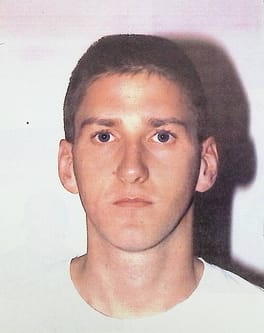
Photo: Federal Bureau of Investigation / Public domain (source: Wikimedia Commons)
Timothy McVeigh was a military personnel, security guard and terrorist. Born on April 23, 1968, Timothy McVeigh was from Lockport, New York, United States. Death is recorded on June 11, 2001, at the age of 33. Schooling on record includes Bryant & Stratton College. Recorded honors include Bronze Star Medal.
My Take
I include Timothy McVeigh here not to celebrate him but to remember what he destroyed. A decorated Gulf War veteran from Lockport, New York, he murdered 168 people, including 19 children, in the 1995 Oklahoma City bombing — the deadliest act of domestic terrorism in American history. What unsettles me most is how ordinary his path was: military service, drift, isolation, and a grievance fed until it hardened into ideology. He was executed in 2001, but the lesson outlives him. My take is simple — radicalization rarely announces itself, and honoring the victims requires understanding, never excusing, the man who killed them.
This take was written by generative AI, one per person, from publicly reported facts (editorial policy). It is a reading of the record, not reporting.
1. Profile
- Name (English)
- Timothy McVeigh
- Name (Japanese)
- ティモシー・マクベイ
- Reading
- てぃもしー・まくべい
- Born
- April 23, 1968 – June 11, 2001
- Origin
- Lockport, New York, United States
- Occupation
- military personnel / security guard / terrorist / mass murderer
- Zodiac / Chinese zodiac
- Taurus / Monkey
2. Background
- University
- Bryant & Stratton College
Awards & achievements
- Bronze Star Medal
3. Links
4. About this entry
Tags
- Last updated
Facts are limited to publicly available information up to 2024; non-public or unconfirmed items are omitted. English text is machine-assisted (facts translated by Sonnet, "My Take" written by Opus 4.8). The Japanese page is the source of record.
Frequently asked questions
When was Timothy McVeigh born?
Born April 23, 1968.
When did Timothy McVeigh die?
Died June 11, 2001, aged 33.
Where was Timothy McVeigh from?
Timothy McVeigh was from Lockport, New York, United States.
What did Timothy McVeigh do?
Timothy McVeigh worked as military personnel, security guard, terrorist, mass murderer.
Military personnel — see all → · More people from the United States →