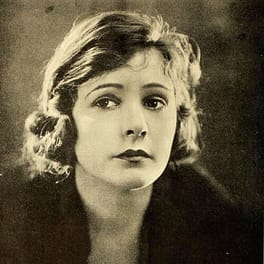
Photo: Select Pictures Corp. / Public domain (source: Wikimedia Commons)
Norma Talmadge was born on May 2, 1894 in Jersey City, New Jersey, United States and was credited as a film producer and film actor. Death is recorded on December 24, 1957, at the age of 63. Norma Talmadge was educated at Erasmus Hall High School. Listed accolades include star on Hollywood Walk of Fame.
My Take
I find Norma Talmadge fascinating precisely because she's a name most people no longer recognize, yet she was one of the biggest box-office draws of the silent era. For over a decade she ranked among the most popular idols on the American screen, specializing in melodrama, and she didn't just act, she produced too. What strikes me is how completely fame can fade once a medium dies. Her star on the Hollywood Walk of Fame is one of the few things that still anchors her name in public memory. Born in Jersey City in 1894, she feels like a reminder that stardom is always tied to its era.
This take was written by generative AI, one per person, from publicly reported facts (editorial policy). It is a reading of the record, not reporting.
1. Profile
- Name (English)
- Norma Talmadge
- Name (Japanese)
- ノーマ・タルマッジ
- Reading
- のーま・たるまっじ
- Born
- May 2, 1894 – December 24, 1957
- Origin
- Jersey City, New Jersey, United States
- Occupation
- actor / film producer / film actor
- Zodiac / Chinese zodiac
- Taurus / Horse
2. Background
- High school
- Erasmus Hall High School
Awards & achievements
- star on Hollywood Walk of Fame
3. Links
4. About this entry
Tags
- Last updated
Facts are limited to publicly available information up to 2024; non-public or unconfirmed items are omitted. English text is machine-assisted (facts translated by Sonnet, "My Take" written by Opus 4.8). The Japanese page is the source of record.
Frequently asked questions
When was Norma Talmadge born?
Born May 2, 1894.
When did Norma Talmadge die?
Died December 24, 1957, aged 63.
Where was Norma Talmadge from?
Norma Talmadge was from Jersey City, New Jersey, United States.
What did Norma Talmadge do?
Norma Talmadge worked as actor, film producer, film actor.
Actor — see all → · Film producer — see all → · More people from the United States →