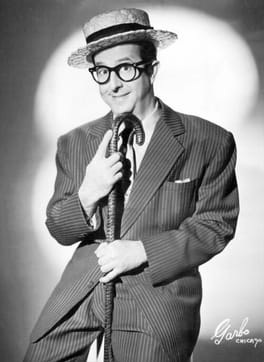
Photo: Photographer: Garbo, Chicago. / Public domain (source: Wikimedia Commons)
Phil Silvers was a comedian, stage actor and television actor, born on May 11, 1911 in Brooklyn, New York, United States. Phil Silvers died on November 1, 1985, aged 74. Recorded honors include Tony Award for Best Actor in a Musical (1952, 1972) and star on Hollywood Walk of Fame.
My Take
What impresses me about Phil Silvers is not a single hit but the sheer stamina of nearly six decades on stage, screen, and television. Plenty of comics flame out fast; he kept audiences laughing for a lifetime, and the two Tony Awards two decades apart prove this was craft, not luck. His Sergeant Bilko sold the lovable schemer better than almost anyone, a tricky balance of charm and mischief that few performers ever nail. To me he represents the vaudeville-bred professional who earned every laugh the hard way. That hard-won durability is exactly the kind of career I most respect.
This take was written by generative AI, one per person, from publicly reported facts (editorial policy). It is a reading of the record, not reporting.
1. Profile
- Name (English)
- Phil Silvers
- Name (Japanese)
- フィル・シルヴァース
- Reading
- ふぃる・しるゔぁーす
- Born
- May 11, 1911 – November 1, 1985
- Origin
- Brooklyn, New York, United States
- Occupation
- comedian / stage actor / television actor / film actor / songwriter
- Zodiac / Chinese zodiac
- Taurus / Boar
2. Background
Awards & achievements
- 1952 Tony Award for Best Actor in a Musical
- 1972 Tony Award for Best Actor in a Musical
- star on Hollywood Walk of Fame
3. Links
4. About this entry
Tags
- Last updated
Facts are limited to publicly available information up to 2024; non-public or unconfirmed items are omitted. English text is machine-assisted (facts translated by Sonnet, "My Take" written by Opus 4.8). The Japanese page is the source of record.
Frequently asked questions
When was Phil Silvers born?
Born May 11, 1911.
When did Phil Silvers die?
Died November 1, 1985, aged 74.
Where was Phil Silvers from?
Phil Silvers was from Brooklyn, New York, United States.
What did Phil Silvers do?
Phil Silvers worked as comedian, stage actor, television actor, film actor, songwriter.
Comedian — see all → · Stage actor — see all → · More people from the United States →