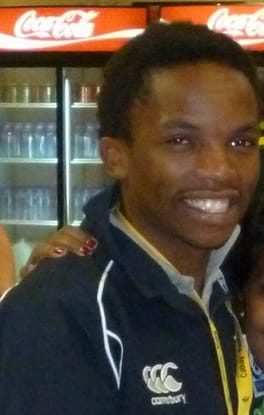
Photo: Stemoc / CC BY-SA 3.0 (source: Wikimedia Commons)
Rasta Rasivhenge is a rugby union player and rugby union match official, born on January 3, 1986 in Johannesburg, Gauteng, South Africa. That puts Rasta Rasivhenge at 40 years old in 2026. Education on record includes University of the Witwatersrand. Awards on record include World Rugby Referee Award (2016).
My Take
Referees almost never get the spotlight, which is exactly why this one earns my respect. Being chosen to officiate the rugby sevens final at the 2016 Rio Olympics is an extraordinary vote of confidence in your judgment and impartiality, and pairing that with a World Rugby Referee Award the same year leaves little doubt about the level. A Johannesburg native who moved from playing to the whistle, with a Witwatersrand education behind him, clearly brought both feel for the game and intellectual rigor to the role. A referee can elevate or strangle a match, and doing that job at the very summit takes a steel I genuinely admire.
This take was written by generative AI, one per person, from publicly reported facts (editorial policy). It is a reading of the record, not reporting.
1. Profile
- Name (English)
- Rasta Rasivhenge
- Name (Japanese)
- ラスタ・ラシベンゲ
- Reading
- らすた・らしべんげ
- Born
- January 3, 1986 (age 40)
- Origin
- Johannesburg, Gauteng, South Africa
- Occupation
- rugby union player / rugby union match official
- Zodiac / Chinese zodiac
- Capricorn / Tiger
2. Background
- University
- University of the Witwatersrand
Awards & achievements
- 2016 World Rugby Referee Award
3. Links
4. About this entry
Tags
- Last updated
Facts are limited to publicly available information up to 2024; non-public or unconfirmed items are omitted. English text is machine-assisted (facts translated by Sonnet, "My Take" written by Opus 4.8). The Japanese page is the source of record.
Frequently asked questions
When was Rasta Rasivhenge born?
Born January 3, 1986 (age 40).
Where is Rasta Rasivhenge from?
Rasta Rasivhenge is from Johannesburg, Gauteng, South Africa.
What does Rasta Rasivhenge do?
Rasta Rasivhenge works as rugby union player, rugby union match official.
Rugby union player — see all → · More people from South Africa →