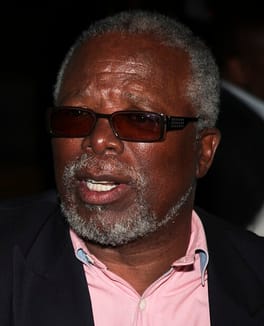
Photo: US Embassy South Africa / Public domain (source: Wikimedia Commons)
John Kani, born on August 30, 1942 in New Brighton, Eastern Cape, South Africa, is a stage actor, film actor and writer. John Kani is 84 years old as of 2026. Recorded honors include Tony Award for Best Actor in a Play (1975), Order of Ikhamanga in Silver (2016) and Officer of the Order of the British Empire (2023). Credited works include The Lion King.
My Take
Younger audiences may know John Kani as King T'Chaka or the voice of Rafiki, but I find his real weight elsewhere. Winning a Tony in 1975, building a stage career through apartheid-era South Africa, and earning an OBE in 2023, he carries a lifetime of resistance and discipline into every role. That history is why even a few lines from him land with gravity that flashier actors can't fake. To me he's less a Marvel name than a living testament to theatre as moral work, and I respect the whole arc of the man, not just the cameos.
This take was written by generative AI, one per person, from publicly reported facts (editorial policy). It is a reading of the record, not reporting.
1. Profile
- Name (English)
- John Kani
- Name (Japanese)
- ジョン・カニ
- Reading
- じょん・かに
- Born
- August 30, 1942 (age 84)
- Origin
- New Brighton, Eastern Cape, South Africa
- Occupation
- stage actor / film actor / writer / actor / film director
- Zodiac / Chinese zodiac
- Virgo / Horse
2. Background
Awards & achievements
- 1975 Tony Award for Best Actor in a Play
- 2016 Order of Ikhamanga in Silver
- 2023 Officer of the Order of the British Empire
3. Works & records
Filmography / notable works
| Category | Title |
|---|---|
| Notable work | The Lion King |
4. Links
- Wikipedia (English)https://en.wikipedia.org/wiki/John%20Kani
- Wikipedia (Japanese)https://ja.wikipedia.org/wiki/%E3%82%B8%E3%83%A7%E3%83%B3%E3%83%BB%E3%82%AB%E3%83%8B
- Wikidatahttps://www.wikidata.org/wiki/Q6242471
5. About this entry
Tags
- Last updated
Facts are limited to publicly available information up to 2024; non-public or unconfirmed items are omitted. English text is machine-assisted (facts translated by Sonnet, "My Take" written by Opus 4.8). The Japanese page is the source of record.
Frequently asked questions
When was John Kani born?
Born August 30, 1942 (age 84).
Where is John Kani from?
John Kani is from New Brighton, Eastern Cape, South Africa.
What does John Kani do?
John Kani works as stage actor, film actor, writer, actor, film director.
What is John Kani known for?
Notable works include The Lion King.
Stage actor — see all → · Film actor — see all → · More people from South Africa →