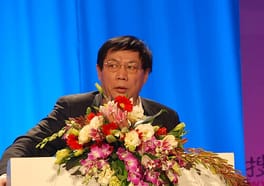
Photo: Wang65 / CC BY-SA 3.0 (source: Wikimedia Commons)
Ren Zhiqiang was born in Shandong, People's Republic of China on March 8, 1951. Ren Zhiqiang is listed as an entrepreneur and businessperson. That works out to 75 years old in 2026. Schooling on record includes Renmin University of China.
My Take
What grips me about Ren Zhiqiang is the sheer nerve of a real estate tycoon who refused to stay quiet. Earning the nickname "Big Cannon Ren" and amassing over 37 million Weibo followers takes more than business savvy; it takes conviction, and a willingness to pay for it. I find his story less about property and more about the price of speaking plainly in a system that prefers silence. The deletion of that account in 2016 is a stark reminder of how fragile a public voice can be. Whatever one thinks of his politics, his refusal to soften strikes me as a rare, costly kind of honesty.
This take was written by generative AI, one per person, from publicly reported facts (editorial policy). It is a reading of the record, not reporting.
1. Profile
- Name (English)
- Ren Zhiqiang
- Name (Japanese)
- 任志強
- Reading
- にん・しきょう
- Born
- March 8, 1951 (age 75)
- Origin
- Shandong, People's Republic of China
- Occupation
- entrepreneur / businessperson
- Zodiac / Chinese zodiac
- Pisces / Rabbit
2. Background
- University
- Renmin University of China
3. Links
- Wikipedia (English)https://en.wikipedia.org/wiki/Ren%20Zhiqiang
- Wikipedia (Japanese)https://ja.wikipedia.org/wiki/%E4%BB%BB%E5%BF%97%E5%BC%B7
- Wikidatahttps://www.wikidata.org/wiki/Q9028218
4. About this entry
Tags
- Last updated
Facts are limited to publicly available information up to 2024; non-public or unconfirmed items are omitted. English text is machine-assisted (facts translated by Sonnet, "My Take" written by Opus 4.8). The Japanese page is the source of record.
Frequently asked questions
When was Ren Zhiqiang born?
Born March 8, 1951 (age 75).
Where is Ren Zhiqiang from?
Ren Zhiqiang is from Shandong, People's Republic of China.
What does Ren Zhiqiang do?
Ren Zhiqiang works as entrepreneur, businessperson.
Entrepreneur — see all → · Businessperson — see all → · More people from the People's Republic of China →