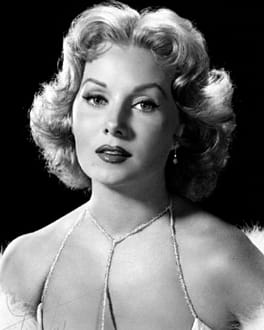
Photo: Studio / Public domain (source: Wikimedia Commons)
Born on August 10, 1923, Rhonda Fleming was from Hollywood, California, United States. Rhonda Fleming was credited as a singer, television actor and film actor. Death is recorded on October 14, 2020, at the age of 97. Education on record includes Beverly Hills High School. Listed accolades include star on Hollywood Walk of Fame.
My Take
Rhonda Fleming, born Marilyn Louis in Hollywood in 1923, was old-school glamour personified, and the nickname "Queen of Technicolor" tells you exactly why I find her fascinating. She photographed so vividly in color that the medium itself became part of her legend, across more than forty films in the 1940s and 1950s. Her star on the Hollywood Walk of Fame feels almost understated given how she defined a visual era. When she passed in 2020 at 97, I felt it marked the close of a genuine golden-age chapter. She is a reminder that screen presence used to be its own kind of art.
This take was written by generative AI, one per person, from publicly reported facts (editorial policy). It is a reading of the record, not reporting.
1. Profile
- Name (English)
- Rhonda Fleming
- Name (Japanese)
- ロンダ・フレミング
- Reading
- ろんだ・ふれみんぐ
- Born
- August 10, 1923 – October 14, 2020
- Origin
- Hollywood, California, United States
- Occupation
- actor / singer / television actor / film actor
- Zodiac / Chinese zodiac
- Leo / Boar
2. Background
- High school
- Beverly Hills High School
Awards & achievements
- star on Hollywood Walk of Fame
3. Links
- Official sitehttp://www.rhondafleming.com/
- Wikipedia (English)https://en.wikipedia.org/wiki/Rhonda%20Fleming
- Wikipedia (Japanese)https://ja.wikipedia.org/wiki/%E3%83%AD%E3%83%B3%E3%83%80%E3%83%BB%E3%83%95%E3%83%AC%E3%83%9F%E3%83%B3%E3%82%B0
- Wikidatahttps://www.wikidata.org/wiki/Q283335
4. About this entry
Tags
- Last updated
Facts are limited to publicly available information up to 2024; non-public or unconfirmed items are omitted. English text is machine-assisted (facts translated by Sonnet, "My Take" written by Opus 4.8). The Japanese page is the source of record.
Frequently asked questions
When was Rhonda Fleming born?
Born August 10, 1923.
When did Rhonda Fleming die?
Died October 14, 2020, aged 97.
Where was Rhonda Fleming from?
Rhonda Fleming was from Hollywood, California, United States.
What did Rhonda Fleming do?
Rhonda Fleming worked as actor, singer, television actor, film actor.
Actor — see all → · Singer — see all → · More people from the United States →