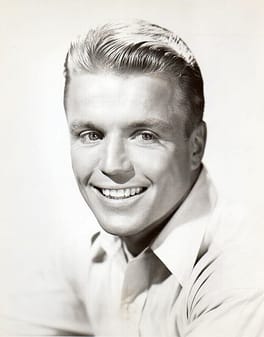
Photo: Paramount Pictures / Public domain (source: Wikimedia Commons)
My Take
Richard Jaeckel was the quintessential Hollywood character actor, the kind of dependable face you recognized instantly even if you couldn't name him. He made a career out of playing soldiers, sailors and scrappy tough guys, and he was utterly believable in every one. His Oscar-nominated turn in Sometimes a Great Notion proved there was real depth under the rugged exterior. I have a soft spot for these workhorse supporting players who showed up across decades of war films and Westerns and quietly held those movies together. Jaeckel never headlined much, but the screen was always more convincing with him on it.
This take was written by generative AI, one per person, from publicly reported facts (editorial policy). It is a reading of the record, not reporting.
Overview
Richard Jaeckel (1926-1997) was an American film and television actor born in Long Beach, New York. Over a long career that began in the 1940s, he became a familiar face in war films and Westerns, often cast as tough soldiers and supporting tough guys. He received an Academy Award nomination for Best Supporting Actor for his role in Sometimes a Great Notion (1971) and appeared in classics such as The Dirty Dozen.
1. Profile
- Name (English)
- Richard Jaeckel
- Name (Japanese)
- リチャード・ジャッケル
- Reading
- りちゃーど・じゃっける
- Born
- October 10, 1926 – June 14, 1997
- Origin
- Long Beach, New York, United States
- Occupation
- Actor / Television actor
- Zodiac / Chinese zodiac
- Libra / Tiger
2. Background
- High school
- Hollywood High School
3. Links
4. About this entry
Tags
- Last updated
Facts are limited to publicly available information up to 2024; non-public or unconfirmed items are omitted. English text is machine-assisted (facts translated by Sonnet, "My Take" written by Opus 4.8). The Japanese page is the source of record.
Frequently asked questions
When was Richard Jaeckel born?
Born October 10, 1926.
When did Richard Jaeckel die?
Died June 14, 1997, aged 70.
Where was Richard Jaeckel from?
Richard Jaeckel was from Long Beach, New York, United States.
What did Richard Jaeckel do?
Richard Jaeckel worked as Actor, Television actor.
Actor — see all → · Television actor — see all → · More people from the United States →