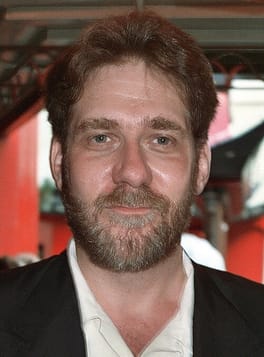
Photo: Unknown author / CC BY 2.0 (source: Wikimedia Commons)
Born on November 20, 1948, Richard Masur is from New York City, New York, United States. Richard Masur is a television actor, film actor and politician. That works out to 77 years old in 2026.
My Take
Richard Masur is the reliable face I've seen in dozens of movies without ever quite cataloguing them all, which is the highest compliment for a character actor. Over forty films, plus Clark in The Thing and the grown-up Stan in the 1990 It miniseries that still haunts me. What I find genuinely admirable, though, is the off-screen chapter: two terms as president of the Screen Actors Guild from 1995 to 1999. That tells me he cared about the working actors around him, not just his own resume. A New Yorker who balanced craft with advocacy is exactly the kind of veteran I respect.
This take was written by generative AI, one per person, from publicly reported facts (editorial policy). It is a reading of the record, not reporting.
1. Profile
- Name (English)
- Richard Masur
- Name (Japanese)
- リチャード・メイサー
- Reading
- りちゃーど・めいさー
- Born
- November 20, 1948 (age 77)
- Origin
- New York City, New York, United States
- Occupation
- television actor / film actor / politician / trade unionist / screenwriter
- Zodiac / Chinese zodiac
- Scorpio / Rat
2. Links
3. About this entry
Tags
- Last updated
Facts are limited to publicly available information up to 2024; non-public or unconfirmed items are omitted. English text is machine-assisted (facts translated by Sonnet, "My Take" written by Opus 4.8). The Japanese page is the source of record.
Frequently asked questions
When was Richard Masur born?
Born November 20, 1948 (age 77).
Where is Richard Masur from?
Richard Masur is from New York City, New York, United States.
What does Richard Masur do?
Richard Masur works as television actor, film actor, politician, trade unionist, screenwriter.
Television actor — see all → · Film actor — see all → · More people from the United States →