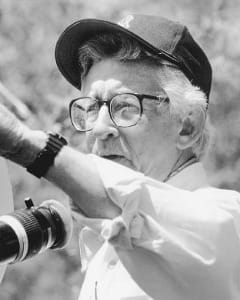
Photo: Adamzanzie / CC BY-SA 3.0 (source: Wikimedia Commons)
Robert Mulligan was a film director and film producer, born on August 23, 1925 in New York City, New York, United States. Death is recorded on December 20, 2008, at the age of 83. Education on record includes Fordham University. Recorded honors include Primetime Emmy Award for Outstanding Directing for a Drama Series (1960) and Sitges Film Festival Best Director award (1972).
My Take
Robert Mulligan is a director I keep returning to because his best work feels so unforced. To Kill a Mockingbird in 1962 alone would secure his place for me; it handles weighty themes with a calm, humane touch that never lectures. But Summer of '42 and The Man in the Moon show me he had a rare gift for capturing the ache of growing up. His 1960 Primetime Emmy and that early collaboration with producer Alan J. Pakula point to a craftsman who built carefully. He's never the loudest name in the New Hollywood conversation, and I think that quietness is exactly why his films age so gracefully.
This take was written by generative AI, one per person, from publicly reported facts (editorial policy). It is a reading of the record, not reporting.
1. Profile
- Name (English)
- Robert Mulligan
- Name (Japanese)
- ロバート・マリガン
- Reading
- ろばーと・まりがん
- Born
- August 23, 1925 – December 20, 2008
- Origin
- New York City, New York, United States
- Occupation
- film director / film producer / director
- Zodiac / Chinese zodiac
- Virgo / Ox
2. Background
- University
- Fordham University
Awards & achievements
- 1960 Primetime Emmy Award for Outstanding Directing for a Drama Series
- 1972 Sitges Film Festival Best Director award
3. Links
4. About this entry
Tags
- Last updated
Facts are limited to publicly available information up to 2024; non-public or unconfirmed items are omitted. English text is machine-assisted (facts translated by Sonnet, "My Take" written by Opus 4.8). The Japanese page is the source of record.
Frequently asked questions
When was Robert Mulligan born?
Born August 23, 1925.
When did Robert Mulligan die?
Died December 20, 2008, aged 83.
Where was Robert Mulligan from?
Robert Mulligan was from New York City, New York, United States.
What did Robert Mulligan do?
Robert Mulligan worked as film director, film producer, director.
Film director — see all → · Film producer — see all → · More people from the United States →