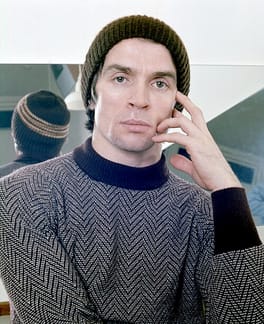
Photo: Allan Warren / CC BY-SA 3.0 (source: Wikimedia Commons)
Rudolf Nureyev was born on March 17, 1938 in Razdolnoe, Russia. Rudolf Nureyev was listed as a ballet dancer, choreographer and actor. Death is recorded on January 6, 1993, at the age of 54. Awards on record include Knight of the Legion of Honour (1988), Commandeur des Arts et des Lettres, Capezio Dance Award (1987) and 2 more.
My Take
Nureyev is, to my mind, the rare performer whose biography reads like myth without exaggeration: born on a moving Trans-Siberian train, raised in a Tatar family, and ultimately crowned the defining male ballet dancer of the twentieth century. What I admire most is that he did not just dance brilliantly — he changed what male dancing was allowed to be, claiming a stage that had long centered ballerinas. The string of honors from France and elsewhere almost feels beside the point. His real legacy lives in studios and opera houses where his choreography and teaching still set the standard. Gone far too soon at fifty-four.
This take was written by generative AI, one per person, from publicly reported facts (editorial policy). It is a reading of the record, not reporting.
1. Profile
- Name (English)
- Rudolf Nureyev
- Name (Japanese)
- ルドルフ・ヌレエフ
- Reading
- るどるふ・ぬれえふ
- Born
- March 17, 1938 – January 6, 1993
- Origin
- Razdolnoe, Russia
- Occupation
- ballet dancer / choreographer / actor / ballet master / director
- Zodiac / Chinese zodiac
- Pisces / Tiger
2. Background
Awards & achievements
- 1988 Knight of the Legion of Honour
- Commandeur des Arts et des Lettres
- 1987 Capezio Dance Award
- Chevalier des Arts et des Lettres
- Queen Elizabeth II Coronation Award
3. Links
- Official sitehttps://nureyev.org
- Instagramhttps://www.instagram.com/the_rudolf_nureyev_foundation/
- Xhttps://x.com/RudolfNoureev
- Wikipedia (English)https://en.wikipedia.org/wiki/Rudolf%20Nureyev
- Wikipedia (Japanese)https://ja.wikipedia.org/wiki/%E3%83%AB%E3%83%89%E3%83%AB%E3%83%95%E3%83%BB%E3%83%8C%E3%83%AC%E3%82%A8%E3%83%95
- Wikidatahttps://www.wikidata.org/wiki/Q84217
4. About this entry
Tags
- Last updated
Facts are limited to publicly available information up to 2024; non-public or unconfirmed items are omitted. English text is machine-assisted (facts translated by Sonnet, "My Take" written by Opus 4.8). The Japanese page is the source of record.
Frequently asked questions
When was Rudolf Nureyev born?
Born March 17, 1938.
When did Rudolf Nureyev die?
Died January 6, 1993, aged 54.
Where was Rudolf Nureyev from?
Rudolf Nureyev was from Razdolnoe, Russia.
What did Rudolf Nureyev do?
Rudolf Nureyev worked as ballet dancer, choreographer, actor, ballet master, director.
Ballet dancer — see all → · Choreographer — see all → · More people from Russia →