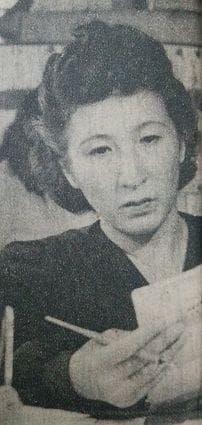
Photo: 朝日新聞社 / Public domain (source: Wikimedia Commons)
My Take
Shizue Kawarazaki was born in 1908 — which means she came into the world when the Meiji era still had a few years left in it, lived through the earthquakes and wars and economic upheavals of the twentieth century, and kept going all the way to 2002, ninety-three years old. That alone deserves a moment of respect. She was a Tokyo actress working in an era when Japanese theater was still deeply rooted in prewar traditions, and the fact that she stuck with it across such seismic cultural shifts says something about the kind of stubbornness and craft it takes to last. I wish more of her work was documented publicly, because a woman who spent that much of her life in the performing arts and survived everything the Showa period threw at the country clearly had stories.
This take was written by generative AI, one per person, from publicly reported facts (editorial policy). It is a reading of the record, not reporting.
Overview
Shizue Kawarazaki (January 25, 1908 – January 1, 2002) was a Japanese actress born in Tokyo. She was active during the prewar and postwar eras, spanning the Taisho and Showa periods of Japanese theater and performing arts. She passed away at the age of 93, leaving behind a career that bridged some of the most transformative decades in Japanese cultural history.
1. Profile
- Name (English)
- Shizue Kawarazaki
- Name (Japanese)
- 河原崎しづ江
- Reading
- かわらざき しづえ
- Born
- January 25, 1908 – January 1, 2002
- Origin
- Tokyo, Japan
- Occupation
- Actress
- Zodiac / Chinese zodiac
- Aquarius / Monkey
2. Links
3. About this entry
Tags
- Last updated
Facts are limited to publicly available information up to 2024; non-public or unconfirmed items are omitted. English text is machine-assisted (facts translated by Sonnet, "My Take" written by Opus 4.8). The Japanese page is the source of record.
Frequently asked questions
When was Shizue Kawarazaki born?
Born January 25, 1908.
When did Shizue Kawarazaki die?
Died January 1, 2002, aged 93.
Where was Shizue Kawarazaki from?
Shizue Kawarazaki was from Tokyo, Japan.
What did Shizue Kawarazaki do?
Shizue Kawarazaki worked as Actress.