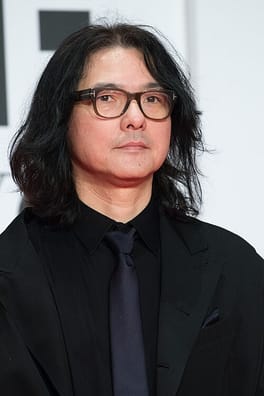
Photo: Dick Thomas Johnson from Tokyo, Japan / CC BY 2.0 (source: Wikimedia Commons)
Shunji Iwai is a screenwriter, film director and film editor, born on January 24, 1963 in Sendai, Miyagi Prefecture, Japan. Shunji Iwai is 63 years old as of 2026. Schooling on record includes Sendai Daiichi High School and Yokohama National University. Awards on record include Directors Guild of Japan New Directors Award (1994) and Nikkan Sports Film Award for Best Newcomer (1995). Credited works include Ice Age: Melt and Blooms (2024), DEBUT (2023) and Ribbon (2022).
My Take
Shunji Iwai is one of those filmmakers I genuinely revere. His command of light gives his films a quiet ache that lingers long after the credits, and the fact that he writes, edits, and scores his own work without ever seeming spread thin is remarkable. Since sweeping newcomer awards in the mid-1990s, he has owned the territory of adolescent longing, capturing both its sting and its beauty better than almost anyone. What I admire most is his refusal to chase trends; he simply keeps building his own world. Every new project from him makes me sit up a little straighter.
This take was written by generative AI, one per person, from publicly reported facts (editorial policy). It is a reading of the record, not reporting.
1. Profile
- Name (English)
- Shunji Iwai
- Name (Japanese)
- 岩井俊二
- Reading
- いわい しゅんじ
- Born
- January 24, 1963 (age 63)
- Origin
- Sendai, Miyagi Prefecture, Japan
- Occupation
- screenwriter / film director / film editor / film producer / composer
- Zodiac / Chinese zodiac
- Aquarius / Rabbit
- Blood type
- O
2. Background
- High school
- Sendai Daiichi High School
- University
- Yokohama National University
Awards & achievements
- 1994 Directors Guild of Japan New Directors Award
- 1995 Nikkan Sports Film Award for Best Newcomer
3. Works & records
Works summary
- Appearances
- 396 (1982–2025)
- By year (titles with a known year)
- 1982: 4, 1984: 1, 1986: 2, 1987: 2, 1988: 4, 1989: 7, 1990: 13, 1991: 23, 1992: 26, 1993: 13, 1994: 5, 1995: 4, 1996: 13, 1997: 12, 1998: 6, 1999: 3, 2000: 5, 2001: 7, 2002: 5, 2003: 4, 2004: 9, 2005: 5, 2006: 5, 2007: 5, 2009: 4, 2010: 11, 2011: 8, 2012: 14, 2013: 18, 2014: 6, 2015: 8, 2016: 16, 2017: 11, 2018: 16, 2019: 9, 2020: 21, 2021: 22, 2022: 9, 2023: 14, 2024: 10, 2025: 11, year unknown: 5
Filmography / notable works
| Category | Title | Year |
|---|---|---|
| Love Letter [4Kリマスター] | 2025 | |
| スワロウテイル 4Kデジタルリマスター版 | 2025 | |
| 世界地図 | 2025 | |
| 西東京少年 Live in 吉祥寺 | 2025 | |
| この空の下ライブ in 塩竈 | 2025 | |
| 岩井俊二 The Music Works:30th Anniversary of "Love Letter" | 2025 | |
| Music video | 光の風と/ SUGIZO feat.SAKI | 2025 |
| Music video | ほんとーの気持ち言わない/ 西東京少年 | 2025 |
| ヤンヤン 夏の想い出 4Kレストア版 | 2025 | |
| Soundtrack | 花束 | 2025 |
| TV drama | 路上のルカ | 2024 |
| りりィ 私は泣いています | 2024 | |
| 18×2 Beyond Youthful Days | 2024 | |
| Documentary | ミラクルサマー ~ポケモンカードゲーム世界大会への挑戦~ | 2024 |
| Ice Age: Melt and Blooms | 2024 | |
| Music video | 長生きしよう/ 辻香織 | 2024 |
| TV commercial | 秋雷 | 2024 |
| Internet streaming program | 街録ch〜あなたの人生、教えて下さい〜 | 2024 |
| 2023年の夏至物語 | 2024 | |
| TV drama | 夏至物語 リメイク版 | 2023 |
| TV drama | 夏至物語 完全版 | 2023 |
| キリエのうた | 2023 | |
| From the End of the World | 2023 | |
| 檸檬色の夢 | 2023 | |
| 檸檬色の夢 横型ディレクターズカット版 | 2023 | |
| 円都LIVE | 2023 | |
| Music video | キリエ・憐れみの讃歌/ Kyrie | 2023 |
| TV program | いま ここを歩く〜映画監督・岩井俊二〜 | 2023 |
| キリエのうた・檸檬色の夢 愛蔵版 | 2023 | |
| DEBUT | 2023 | |
| Ribbon | 2022 | |
| Music video | Another Day Goes By/ Lizabet | 2022 |
| Internet streaming program | 岩井俊二 × 映画 × 音楽|Schön! Magazine China インタビュー | 2022 |
| Internet streaming program | 零の晩夏 | 2022 |
| Internet streaming program | Love Letter A place of Memory | 2022 |
| Internet streaming program | ikiradio | 2022 |
| Internet streaming program | 打ち上げ花火ができるまえと、できたあと。 | 2022 |
| Internet streaming program | 六月の勝利の歌を忘れない | 2022 |
| Internet streaming program | 1/24 days Uploading | 2022 |
| 消しゴム | 2022 | |
| Documentary | さくらノート | 2021 |
| Love Letter | 2021 | |
| スワロウテイル | 2021 | |
| ふだんのわたし 展/高橋愛・村田倫子・高山都 by HABA スクワラン | 2021 | |
| Music video | 花は咲く2021/ 花は咲くプロジェクト | 2021 |
| Music video | 夢で会えても Music Issue 〜for rooftop〜/ [Alexandros] | 2021 |
| Music video | 連れてってファンタァジェン / 小泉今日子 | 2021 |
| Music video | 明日は明日のお湯が沸く/穂志もえか | 2021 |
| Music video | 足りたいモンスター/ ikire | 2021 |
| Music video | 隣のモンスター/ ikire | 2021 |
| Music video | 夢じゃないモンスター/ ikire | 2021 |
| Music video | ひかり/ ikire | 2021 |
| Internet streaming program | リップヴァンウィンクルの花嫁 | 2021 |
| Internet streaming program | 青葉市子と岩井俊二、記憶と創作のダイアローグ。 | 2021 |
4. Links
- Xhttps://x.com/sindyeye
- Wikipedia (English)https://en.wikipedia.org/wiki/Shunji%20Iwai
- Wikipedia (Japanese)https://ja.wikipedia.org/wiki/%E5%B2%A9%E4%BA%95%E4%BF%8A%E4%BA%8C
- Wikidatahttps://www.wikidata.org/wiki/Q1323347
5. About this entry
Tags
- Last updated
Facts are limited to publicly available information up to 2024; non-public or unconfirmed items are omitted. Works and profile fields sourced from Wikipedia reflect content as of 2026-08-26. English text is machine-assisted (facts translated by Sonnet, "My Take" written by Opus 4.8). The Japanese page is the source of record.
Frequently asked questions
When was Shunji Iwai born?
Shunji Iwai was born on January 24, 1963 and is 63 years old.
Where is Shunji Iwai from?
Shunji Iwai is from Sendai, Miyagi Prefecture, Japan.
What does Shunji Iwai do?
Shunji Iwai works as screenwriter, film director, film editor, film producer, composer.
What is Shunji Iwai's blood type?
Shunji Iwai's blood type is O.
Where did Shunji Iwai study?
Shunji Iwai attended Yokohama National University.
What is Shunji Iwai known for?
Shunji Iwai's notable works include Ice Age: Melt and Blooms, DEBUT, Ribbon.
Screenwriter — see all → · Film director — see all → · More people from Japan → · More people born on January 24 →