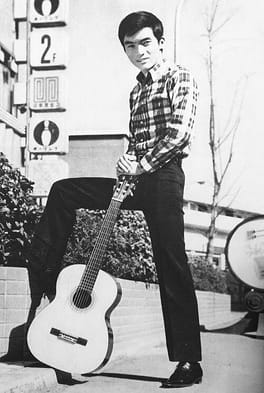
Photo: 国際情報社 / Public domain (source: Wikimedia Commons)
Teruhiko Saigō was born on February 5, 1947 in Taniyama, Kagoshima Prefecture, Japan. Teruhiko Saigō was a singer, actor and composer. Death is recorded on February 20, 2022, at the age of 75. Schooling on record includes Kagoshima Commercial High School. Listed accolades include Kikuta Kazuo engeki shō.
My Take
Teruhiko Saigō was one of the Gosanke, the trio of young male singers, with Yukio Hashi and Kazuo Funaki, who dominated Japanese pop in the 1960s. He came out of Taniyama in Kagoshima, went to a commercial high school there, and took a stage name borrowed from Saigō Takamori, the region's great Meiji-era figure. What I respect is that he did not stay a teen idol. Songs like Hoshi no Flamenco made his name, but he moved into acting, carried the television drama Doterai Yatsu, and later won the Kikuta Kazuo Drama Award for his stage work. Very few singers of that generation earned real critical respect in the theatre. He died in February 2022, two weeks after turning 75. A long working life, quietly built.
This take was written by generative AI, one per person, from publicly reported facts (editorial policy). It is a reading of the record, not reporting.
1. Profile
- Name (English)
- Teruhiko Saigō
- Name (Japanese)
- 西郷輝彦
- Reading
- さいごう てるひこ
- Born
- February 5, 1947 – February 20, 2022
- Origin
- Taniyama, Kagoshima Prefecture, Japan
- Height
- 176 cm
- Occupation
- singer / actor / composer / lyricist / television presenter
- Zodiac / Chinese zodiac
- Aquarius / Boar
- Blood type
- A
- Agency
- 誠和プロ
- Active years
- 1964 - 2022
2. Background
- High school
- Kagoshima Commercial High School
Awards & achievements
- Kikuta Kazuo engeki shō
3. Relationships
- Spouse
- 辺見マリ
4. Works & records
Works summary
- Appearances
- 404 (1961–2023)
- By year
- 1961: 1, 1964: 15, 1965: 28, 1966: 26, 1967: 18, 1968: 17, 1969: 11, 1970: 7, 1971: 8, 1972: 8, 1973: 12, 1974: 7, 1975: 2, 1976: 2, 1977: 5, 1978: 7, 1979: 3, 1980: 6, 1981: 4, 1982: 9, 1983: 6, 1984: 5, 1985: 6, 1986: 1, 1987: 5, 1988: 5, 1989: 6, 1990: 7, 1991: 5, 1992: 5, 1993: 7, 1994: 5, 1995: 6, 1996: 5, 1997: 6, 1998: 6, 1999: 5, 2000: 9, 2001: 4, 2002: 2, 2003: 4, 2004: 6, 2005: 2, 2006: 4, 2007: 3, 2008: 5, 2009: 8, 2010: 3, 2011: 5, 2012: 5, 2013: 7, 2014: 1, 2015: 3, 2016: 2, 2017: 2, 2018: 1, 2019: 4, 2020: 3, 2022: 3, 2023: 11
- Debut work
- 若い季節
Filmography / notable works
| Category | Title | Year |
|---|---|---|
| Notable work | 星のフラメンコ | |
| Notable work | どてらい男 | |
| TV drama | 天使にリクエストを〜人生最後の願い〜 | 2020 |
| TV drama | 竜の道 二つの顔の復讐者 | 2020 |
| バラエティ番組など | 今夜はナゾトレ | 2020 |
| TV drama | 執事 西園寺の名推理2 第6話 | 2019 |
| TV drama | ノーサイド・ゲーム | 2019 |
| バラエティ番組など | いまだにファンです!SP | 2019 |
| TV drama | おくのほそ道迷宮紀行 | 2018 |
| TV drama | 月曜名作劇場 温泉殺人事件シリーズ3 | 2017 |
| Stage | 君はどこにいるの | 2017 |
| TV drama | 昭和50年の思い出 | 2016 |
| TV drama | 伝七捕物帳 第6話 | 2016 |
| Film | 柳生十兵衛 世直し旅 | 2015 |
| Stage | 三匹のおっさん | 2015 |
| Event | 第112回赤穂義士祭 | 2015 |
| TV drama | 検事・霧島三郎 | 2014 |
| TV drama | 立証 離婚弁護士 香月佳美 | 2013 |
| TV drama | 検事・沢木正夫 第三の容疑者 | 2013 |
| TV drama | 報道ドラマ 生きろ 〜戦場に残した伝言〜 | 2013 |
| TV drama | 金子みすゞ物語〜みんなちがってみんないい〜 | 2012 |
| Stage | 女たちの忠臣蔵 | 2012 |
| Stage | 明日の幸福 | 2012 |
| TV drama | バーテンダーGlass 5 | 2011 |
| TV drama | 天使が消えていく | 2010 |
| TV drama | 古代少女隊ドグーンV | 2010 |
| Stage | 初蕾 | 2010 |
| TV drama | 質実剛健わが道を行く・金沢 | 2009 |
| TV drama | チャレンジド | 2009 |
| TV drama | 結婚 | 2009 |
| Film | 引き出しの中のラブレター | 2009 |
| バラエティ番組など | 我ら、もの申す!第2弾 | 2009 |
| Stage | 最後の忠臣蔵 | 2009 |
| Live concert | 西郷輝彦45周年記念コンサート | 2009 |
| Live concert | 〜 Teruhiko Saigo Live Act.5 ! 〜 | 2009 |
| TV drama | 刑事殺し2 | 2008 |
| TV drama | 新春ワイド時代劇 徳川風雲録 八代将軍吉宗 | 2008 |
| TV drama | 第1話 | 2008 |
| TV drama | 南州翁異聞〜おいどんは、丸腰・平和使節で韓国へ行く〜 | 2008 |
| Stage | 華々しき一族 | 2008 |
| TV drama | 柳生十兵衛七番勝負 最後の闘い | 2007 |
| TV drama | シロクマ園長 命の事件簿シリーズ | 2007 |
| Stage | 三田政吉追善公演忠臣蔵 ーいのち燃ゆるときー | 2007 |
| TV drama | 信長の棺 | 2006 |
| TV drama | 柳生十兵衛七番勝負 島原の乱 | 2006 |
| TV drama | 監察医・室生亜季子 | 2006 |
| Film | TANNKA 短歌 | 2006 |
| TV drama | 時効〜特命刑事・徳田左近 | 2004 |
| TV drama | 火消し屋小町 | 2004 |
| TV drama | わかば | 2004 |
| TV drama | 武蔵 MUSASHI | 2003 |
| TV drama | 幻の推理作家〜能登路殺人行 | 2003 |
| TV drama | やもめ記者の事件メモ | 2002 |
| TV drama | 第29部 - 第30部 | 2001 |
| TV drama | 温泉医ぽっかや診療所事件カルテシリーズ | 2001 |
| TV drama | 暴君を斬る!男の剣・矢掛 | 2000 |
| TV drama | 葵 徳川三代 | 2000 |
| TV drama | 帰って来た友情 | 1999 |
| Stage | 江戸を斬る | 1999 |
| TV drama | ~未来を見つめた幕末の英傑~ 横井小楠 | 1998 |
5. Links
- Official sitehttp://www.saigo.tv/
- Instagramhttps://www.instagram.com/teruhiko_saigo/
- Xhttps://x.com/teruhikosaigo
- Wikipedia (English)https://en.wikipedia.org/wiki/Teruhiko%20Saig%C5%8D
- Wikipedia (Japanese)https://ja.wikipedia.org/wiki/%E8%A5%BF%E9%83%B7%E8%BC%9D%E5%BD%A6
- Wikidatahttps://www.wikidata.org/wiki/Q1092085
6. About this entry
Tags
- Last updated
Facts are limited to publicly available information up to 2024; non-public or unconfirmed items are omitted. Works and profile fields sourced from Wikipedia reflect content as of 2026-08-26. English text is machine-assisted (facts translated by Sonnet, "My Take" written by Opus 4.8). The Japanese page is the source of record.
Frequently asked questions
When was Teruhiko Saigō born?
Born February 5, 1947.
When did Teruhiko Saigō die?
Died February 20, 2022, aged 75.
Where was Teruhiko Saigō from?
Teruhiko Saigō was from Taniyama, Kagoshima Prefecture, Japan.
What did Teruhiko Saigō do?
Teruhiko Saigō worked as singer, actor, composer, lyricist, television presenter.
How tall was Teruhiko Saigō?
Teruhiko Saigō was 176 cm.
What was Teruhiko Saigō's blood type?
A.
What agency was Teruhiko Saigō with?
Teruhiko Saigō was with 誠和プロ.
When was Teruhiko Saigō active?
1964 - 2022.
What was Teruhiko Saigō known for?
Notable works include 星のフラメンコ, どてらい男, 天使にリクエストを〜人生最後の願い〜.
Singer — see all → · Actor — see all → · More people from Japan →