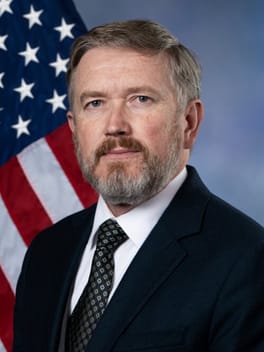
Photo: House Creative Services / Public domain (source: Wikimedia Commons)
Thomas Massie was born on January 13, 1971 in Huntington, West Virginia, United States and is credited as a politician, entrepreneur and business executive. As of 2026, Thomas Massie is 55 years old. Education on record includes Lewis County High School. Recorded honors include Lemelson–MIT Prize (1995).
My Take
Thomas Massie strikes me as an engineer first and a politician second, and that's exactly why he interests me. Winning the 1995 Lemelson-MIT Prize before founding a company and becoming a business executive, he arrived in Congress having actually built things, an increasingly rare credential. I tend to trust politicians who made something real before they made speeches, and Massie's path from inventor to lawmaker is genuinely hard to dismiss.
This take was written by generative AI, one per person, from publicly reported facts (editorial policy). It is a reading of the record, not reporting.
1. Profile
- Name (English)
- Thomas Massie
- Name (Japanese)
- トーマス・マシー
- Reading
- とーます・ましー
- Born
- January 13, 1971 (age 55)
- Origin
- Huntington, West Virginia, United States
- Occupation
- politician / entrepreneur / business executive / engineer
- Zodiac / Chinese zodiac
- Capricorn / Boar
2. Background
- High school
- Lewis County High School
Awards & achievements
- 1995 Lemelson–MIT Prize
3. Links
- Official sitehttps://www.thomasmassie.com
- Instagramhttps://www.instagram.com/repthomasmassie/
- Xhttps://x.com/RepThomasMassie
- Wikipedia (English)https://en.wikipedia.org/wiki/Thomas%20Massie
- Wikidatahttps://www.wikidata.org/wiki/Q2426031
4. About this entry
Tags
- Last updated
Facts are limited to publicly available information up to 2024; non-public or unconfirmed items are omitted. English text is machine-assisted (facts translated by Sonnet, "My Take" written by Opus 4.8). The Japanese page is the source of record.
Frequently asked questions
When was Thomas Massie born?
Born January 13, 1971 (age 55).
Where is Thomas Massie from?
Thomas Massie is from Huntington, West Virginia, United States.
What does Thomas Massie do?
Thomas Massie works as politician, entrepreneur, business executive, engineer.
Politician — see all → · Entrepreneur — see all → · More people from the United States →