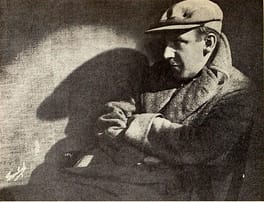
Photo: Freulich (?) / Public domain (source: Wikimedia Commons)
Tod Browning was born on July 12, 1880 in Louisville, Kentucky, United States. Tod Browning was credited as a film director, screenwriter and film actor. Death is recorded on October 6, 1962, at the age of 82. Listed accolades include star on Hollywood Walk of Fame. Credited works include London After Midnight.
My Take
Tod Browning is one of those filmmakers whose biography reads stranger than any script he ever wrote, and that's saying something. The man literally ran away to join the circus as a teenager — working sideshows and vaudeville before he ever touched a camera — and you can feel every bit of that carny soul in his work. His 1931 Dracula with Bela Lugosi practically invented the Hollywood horror template, but it's Freaks from 1932 that genuinely unsettles me every time: casting real sideshow performers and daring audiences to question who the true monsters are. The film was so ahead of its time that MGM buried it for decades. Browning died in 1962 largely forgotten, but horror cinema owes him an enormous, unpayable debt. A genuine American original.
This take was written by generative AI, one per person, from publicly reported facts (editorial policy). It is a reading of the record, not reporting.
1. Profile
- Name (English)
- Tod Browning
- Name (Japanese)
- トッド・ブラウニング
- Reading
- とっど・ぶらうにんぐ
- Born
- July 12, 1880 – October 6, 1962
- Origin
- Louisville, Kentucky, United States
- Occupation
- actor / film director / screenwriter / film actor / film producer
- Zodiac / Chinese zodiac
- Cancer / Dragon
2. Background
Awards & achievements
- star on Hollywood Walk of Fame
3. Works & records
Filmography / notable works
| Category | Title |
|---|---|
| Notable work | London After Midnight |
4. Links
5. About this entry
Tags
- Last updated
Only publicly available facts are listed; non-public or unconfirmed items are omitted. Base data was compiled from Wikidata from June 2026 onward; ages are recalculated daily and deaths are checked against Wikidata on an ongoing basis. English text is machine-assisted (facts translated by Sonnet, "My Take" written by Opus 4.8). The Japanese page is the source of record.
Frequently asked questions
When was Tod Browning born?
Tod Browning was born on July 12, 1880.
When did Tod Browning die?
Tod Browning died on October 6, 1962, aged 82.
Where was Tod Browning from?
Tod Browning was from Louisville, Kentucky, United States.
What did Tod Browning do?
Tod Browning worked as actor, film director, screenwriter, film actor, film producer.
What was Tod Browning known for?
Tod Browning's notable works include London After Midnight.
Actor — see all → · Film director — see all → · More people from the United States → · More people born on July 12 →