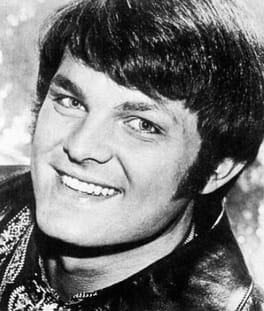
Photo: ABC / Dunhill Records / Public domain (source: Wikimedia Commons)
Public records list Tommy Roe as a singer, musician and singer-songwriter. Born on May 9, 1942, Tommy Roe is from Atlanta, Georgia, United States. That works out to 84 years old in 2026.
My Take
Tommy Roe is easy to file under bubblegum and forget, but I think that does him a disservice. Sheila, Sweet Pea and Dizzy are impossibly catchy, the sort of songs that lodge in your head for days, yet his early work had a genuine rock bite that critics like Bill Dahl rightly flagged. What I admire is the songwriting craft underneath the sweetness; writers who generate their own hooks tend to outlast the fads that briefly define them. The Atlanta native helped color the 1960s with pure pop joy, and I respect anyone who can make happiness sound that effortless.
This take was written by generative AI, one per person, from publicly reported facts (editorial policy). It is a reading of the record, not reporting.
1. Profile
- Name (English)
- Tommy Roe
- Name (Japanese)
- トミー・ロウ
- Reading
- とみー・ろう
- Born
- May 9, 1942 (age 84)
- Origin
- Atlanta, Georgia, United States
- Occupation
- singer / musician / singer-songwriter / recording artist / composer
- Zodiac / Chinese zodiac
- Taurus / Horse
2. Links
- Official sitehttps://www.tommyroe.com/
- Wikipedia (English)https://en.wikipedia.org/wiki/Tommy%20Roe
- Wikipedia (Japanese)https://ja.wikipedia.org/wiki/%E3%83%88%E3%83%9F%E3%83%BC%E3%83%BB%E3%83%AD%E3%82%A6
- Wikidatahttps://www.wikidata.org/wiki/Q1335207
3. About this entry
Tags
- Last updated
Facts are limited to publicly available information up to 2024; non-public or unconfirmed items are omitted. English text is machine-assisted (facts translated by Sonnet, "My Take" written by Opus 4.8). The Japanese page is the source of record.
Frequently asked questions
When was Tommy Roe born?
Born May 9, 1942 (age 84).
Where is Tommy Roe from?
Tommy Roe is from Atlanta, Georgia, United States.
What does Tommy Roe do?
Tommy Roe works as singer, musician, singer-songwriter, recording artist, composer.
Singer — see all → · Musician — see all → · More people from the United States →