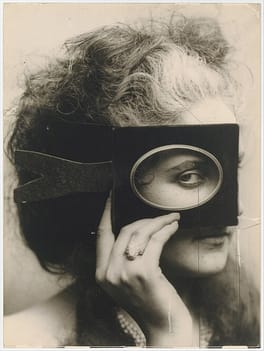
Photo: Pierre-Louis Pierson / CC0 (source: Wikimedia Commons)
Virginia Oldoini, Countess of Castiglione, born on March 22, 1837 in Florence, Province of Florence, Kingdom of Italy, was a model, photographer and courtesan. Virginia Oldoini, Countess of Castiglione died on November 28, 1899, aged 62. Notable works include Scherzo di Follia.
My Take
La Castiglione fascinates me because she understood image long before image was an industry. Born in 1837, Virginia Oldoini became famous as a mistress of Napoleon III, but what I keep returning to is her role in early photography, directing hundreds of portraits of herself as muse and author at once. To me that feels strikingly modern, a woman composing her own myth frame by frame. I won't romanticize the courtesan-and-spy labels, since I don't know how she'd have described herself. What I take from her is the instinct to seize control of how she was seen, in an era that rarely let women hold the camera.
This take was written by generative AI, one per person, from publicly reported facts (editorial policy). It is a reading of the record, not reporting.
1. Profile
- Name (English)
- Virginia Oldoini, Countess of Castiglione
- Name (Japanese)
- ヴィルジニア・オルドイーニ
- Reading
- ゔぃるじにあ・おるどいーに
- Born
- March 22, 1837 – November 28, 1899
- Origin
- Florence, Province of Florence, Kingdom of Italy
- Occupation
- model / photographer / courtesan / spy
- Zodiac / Chinese zodiac
- Aries / Rooster
2. Works & records
Filmography / notable works
| Category | Title |
|---|---|
| Notable work | Scherzo di Follia |
3. Links
- Wikipedia (English)https://en.wikipedia.org/wiki/Virginia%20Oldoini%2C%20Countess%20of%20Castiglione
- Wikipedia (Japanese)https://ja.wikipedia.org/wiki/%E3%83%B4%E3%82%A3%E3%83%AB%E3%82%B8%E3%83%8B%E3%82%A2%E3%83%BB%E3%82%AA%E3%83%AB%E3%83%89%E3%82%A4%E3%83%BC%E3%83%8B
- Wikidatahttps://www.wikidata.org/wiki/Q276035
4. About this entry
Tags
- Last updated
Facts are limited to publicly available information up to 2024; non-public or unconfirmed items are omitted. English text is machine-assisted (facts translated by Sonnet, "My Take" written by Opus 4.8). The Japanese page is the source of record.
Frequently asked questions
When was Virginia Oldoini, Countess of Castiglione born?
Born March 22, 1837.
When did Virginia Oldoini, Countess of Castiglione die?
Died November 28, 1899, aged 62.
Where was Virginia Oldoini, Countess of Castiglione from?
Virginia Oldoini, Countess of Castiglione was from Florence, Province of Florence, Kingdom of Italy.
What did Virginia Oldoini, Countess of Castiglione do?
Virginia Oldoini, Countess of Castiglione worked as model, photographer, courtesan, spy.
What was Virginia Oldoini, Countess of Castiglione known for?
Notable works include Scherzo di Follia.
Model — see all → · Photographer — see all → · More people from the Kingdom of Italy →