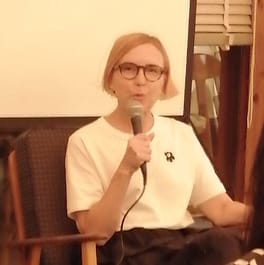
Photo: 榊原平 / CC BY-SA 4.0 (source: Wikimedia Commons)
Virpi Suutari is credited as a film director, screenwriter and film producer. Virpi Suutari was born on April 21, 1967 in Rovaniemi, Lapland, Finland. The age as of 2026 is 59. Listed accolades include Jussi Award for Best Documentary (2002, 2015, 2019), Kritiikin Kannukset (1996), Anjalankoski Film Award (2015) and 1 more.
My Take
A filmmaker born in Rovaniemi, deep in Finnish Lapland, Suutari has built an enviable record in documentary, collecting multiple Jussi Awards and a Finnish National Prize. I am instinctively drawn to directors who choose reality over invention; it is harder, lonelier work, and it asks the artist to truly look rather than imagine. There is something fitting about a storyteller shaped by the long northern light turning her gaze on people and how they live. Her honours suggest a patient, unshowy authority that the festival circuit has steadily recognised. I would happily seek out her films, and I suspect they reward attention.
This take was written by generative AI, one per person, from publicly reported facts (editorial policy). It is a reading of the record, not reporting.
1. Profile
- Name (English)
- Virpi Suutari
- Name (Japanese)
- ヴィルピ・スータリ
- Reading
- ゔぃるぴ・すーたり
- Born
- April 21, 1967 (age 59)
- Origin
- Rovaniemi, Lapland, Finland
- Occupation
- film director / screenwriter / film producer / director
- Zodiac / Chinese zodiac
- Taurus / Goat
2. Background
Awards & achievements
- 2002 Jussi Award for Best Documentary
- 1996 Kritiikin Kannukset
- 2015 Jussi Award for Best Documentary
- 2019 Jussi Award for Best Documentary
- 2015 Anjalankoski Film Award
- 2000 Finnish National Prize
3. Links
4. About this entry
Tags
- Last updated
Facts are limited to publicly available information up to 2024; non-public or unconfirmed items are omitted. English text is machine-assisted (facts translated by Sonnet, "My Take" written by Opus 4.8). The Japanese page is the source of record.
Frequently asked questions
When was Virpi Suutari born?
Born April 21, 1967 (age 59).
Where is Virpi Suutari from?
Virpi Suutari is from Rovaniemi, Lapland, Finland.
What does Virpi Suutari do?
Virpi Suutari works as film director, screenwriter, film producer, director.
Film director — see all → · Screenwriter — see all → · More people from Finland →