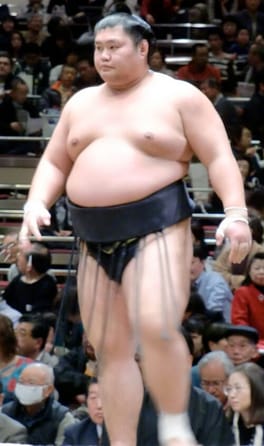
Photo: FourTildes / CC BY-SA 3.0 (source: Wikimedia Commons)
My Take
Wakakōyū Masaya — honestly, when I first clocked that ring name I did a double take, because "Waka-kōyū" just sounds like it was engineered in a lab to sound as powerful as humanly possible. Born in Funabashi, Chiba in 1984, which is classic suburban Tokyo sprawl — not the obvious launchpad for a sumo career, but that kind of against-the-grain origin story is exactly what makes a guy interesting to me. The public record on his stats and career arc is thin, but you don't step onto the dohyo and earn a shikona like that without some serious grit behind it. I respect the commitment.
This take was written by generative AI, one per person, from publicly reported facts (editorial policy). It is a reading of the record, not reporting.
Overview
Wakakōyū Masaya is a Japanese sumo wrestler born on February 24, 1984, in Funabashi, Chiba Prefecture. He competes under the ring name Wakakōyū Masaya. Detailed career records and physical measurements have not been made public.
1. Profile
- Name (English)
- Wakakōyū Masaya
- Name (Japanese)
- 若荒雄匡也
- Reading
- わかこうゆう まさや
- Born
- February 24, 1984 (age 42)
- Origin
- Funabashi, Chiba Prefecture, Japan
- Occupation
- Sumo wrestler
- Zodiac / Chinese zodiac
- Pisces / Rat
2. Links
3. About this entry
Tags
- Last updated
Facts are limited to publicly available information up to 2024; non-public or unconfirmed items are omitted. English text is machine-assisted (facts translated by Sonnet, "My Take" written by Opus 4.8). The Japanese page is the source of record.
Frequently asked questions
When was Wakakōyū Masaya born?
Born February 24, 1984 (age 42).
Where is Wakakōyū Masaya from?
Wakakōyū Masaya is from Funabashi, Chiba Prefecture, Japan.
What does Wakakōyū Masaya do?
Wakakōyū Masaya works as Sumo wrestler.