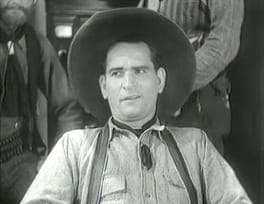
Photo: Lone Star Productions / Public domain (source: Wikimedia Commons)
Yakima Canutt was born on November 29, 1895 in Colfax, Washington, United States. Yakima Canutt was a rodeo rider, film actor and stunt performer. Death is recorded on May 24, 1986, at the age of 90. Recorded honors include star on Hollywood Walk of Fame, National Rodeo Hall of Fame (1976) and Academy Honorary Award (1967).
My Take
You may not know Yakima Canutt's name, but you've absolutely seen his work. From rodeo rider to the so-called King of the Stuntmen, he essentially invented the craft of Hollywood stunts across more than 200 films. What impresses me most is that he didn't just risk his neck recklessly; he systematized danger into repeatable, safer techniques that became the foundation of modern action cinema. That's why the 1967 Honorary Academy Award and his Walk of Fame star feel so deserved, honoring a craftsman rather than a leading man. There's something deeply admirable about an artisan whose fingerprints are on movies he never headlined.
This take was written by generative AI, one per person, from publicly reported facts (editorial policy). It is a reading of the record, not reporting.
1. Profile
- Name (English)
- Yakima Canutt
- Name (Japanese)
- ヤキマ・カヌート
- Reading
- やきま・かぬーと
- Born
- November 29, 1895 – May 24, 1986
- Origin
- Colfax, Washington, United States
- Occupation
- actor / rodeo rider / film actor / stunt performer / film director
- Zodiac / Chinese zodiac
- Sagittarius / Goat
2. Background
Awards & achievements
- star on Hollywood Walk of Fame
- 1976 National Rodeo Hall of Fame
- 1967 Academy Honorary Award
3. Links
- Wikipedia (English)https://en.wikipedia.org/wiki/Yakima%20Canutt
- Wikidatahttps://www.wikidata.org/wiki/Q563665
4. About this entry
Tags
- Last updated
Facts are limited to publicly available information up to 2024; non-public or unconfirmed items are omitted. English text is machine-assisted (facts translated by Sonnet, "My Take" written by Opus 4.8). The Japanese page is the source of record.
Frequently asked questions
When was Yakima Canutt born?
Yakima Canutt was born on November 29, 1895.
When did Yakima Canutt die?
Yakima Canutt died on May 24, 1986, aged 90.
Where was Yakima Canutt from?
Yakima Canutt was from Colfax, Washington, United States.
What did Yakima Canutt do?
Yakima Canutt worked as actor, rodeo rider, film actor, stunt performer, film director.
Actor — see all → · More people from the United States → · More people born on November 29 →