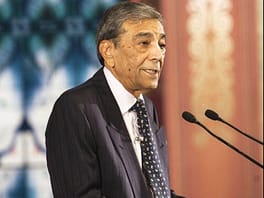
Photo: Delvicom23 / CC BY-SA 4.0 (source: Wikimedia Commons)
Born on June 20, 1931, Zia Mohyeddin was from Faisalabad, Faisalabad District, Pakistan. Public records list Zia Mohyeddin as a television actor, stage actor and film actor. Death is recorded on February 13, 2023, at the age of 91. Education on record includes University of the Punjab. Awards on record include Hilal-i-Imtiaz.
My Take
Zia Mohyeddin is the rare performer remembered first for his voice, and that detail tells me everything about his craft. Trained at the Royal Academy of Dramatic Art and breaking through in the West End as Dr. Aziz in A Passage to India, he bridged Pakistani and British theatre with a rare authority. What I respect most is the second act: leading the National Academy of Performing Arts and shaping generations of artists. Bridge-builders between cultures tend to be undervalued in their own time. Mohyeddin, who passed in 2023 at 91, feels like exactly that sort of enduring, foundational figure.
This take was written by generative AI, one per person, from publicly reported facts (editorial policy). It is a reading of the record, not reporting.
1. Profile
- Name (English)
- Zia Mohyeddin
- Name (Japanese)
- ジア・モヒディン
- Reading
- じあ・もひでぃん
- Born
- June 20, 1931 – February 13, 2023
- Origin
- Faisalabad, Faisalabad District, Pakistan
- Occupation
- actor / television actor / stage actor / film actor / television producer
- Zodiac / Chinese zodiac
- Gemini / Goat
2. Background
- University
- University of the Punjab
Awards & achievements
- Hilal-i-Imtiaz
3. Links
- Wikipedia (English)https://en.wikipedia.org/wiki/Zia%20Mohyeddin
- Wikidatahttps://www.wikidata.org/wiki/Q3575460
4. About this entry
Tags
- Last updated
Facts are limited to publicly available information up to 2024; non-public or unconfirmed items are omitted. English text is machine-assisted (facts translated by Sonnet, "My Take" written by Opus 4.8). The Japanese page is the source of record.
Frequently asked questions
When was Zia Mohyeddin born?
Zia Mohyeddin was born on June 20, 1931.
When did Zia Mohyeddin die?
Zia Mohyeddin died on February 13, 2023, aged 91.
Where was Zia Mohyeddin from?
Zia Mohyeddin was from Faisalabad, Faisalabad District, Pakistan.
What did Zia Mohyeddin do?
Zia Mohyeddin worked as actor, television actor, stage actor, film actor, television producer.
Where did Zia Mohyeddin study?
Zia Mohyeddin attended University of the Punjab.
Actor — see all → · Television actor — see all → · More people from Pakistan → · More people born on June 20 →