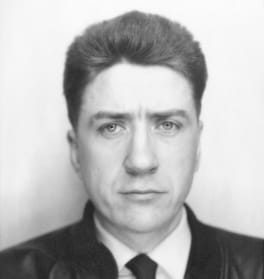
Photo: Studio Harcourt / Public domain (source: Wikimedia Commons)
Alain Resnais was a film director, screenwriter and film editor. Alain Resnais was born on June 3, 1922 in Vannes, Morbihan, France. Death is recorded on March 1, 2014, at the age of 91. Awards on record include Golden Lion (1961), United Nations Awards (1961), Sutherland Trophy (1963) and 5 more.
My Take
Alain Resnais stands, for me, among cinema's genuine innovators rather than mere storytellers. Across six decades he treated memory, consciousness, and imagination as raw material, inventing formal structures other directors would not dare. The Golden Lion, multiple César Awards, and a career honored to its end confirm what the films already prove: he expanded what the medium could do. What I admire most is his refusal to settle into a comfortable style; even late works experiment. Resnais reminds me that film can be intellectually demanding and emotionally alive at once, and his legacy still feels strikingly modern.
This take was written by generative AI, one per person, from publicly reported facts (editorial policy). It is a reading of the record, not reporting.
1. Profile
- Name (English)
- Alain Resnais
- Name (Japanese)
- アラン・レネ
- Reading
- あらん・れね
- Born
- June 3, 1922 – March 1, 2014
- Origin
- Vannes, Morbihan, France
- Occupation
- film director / screenwriter / film editor / cinematographer / actor
- Zodiac / Chinese zodiac
- Gemini / Dog
2. Background
Awards & achievements
- 1961 Golden Lion
- 1961 United Nations Awards
- 1963 Sutherland Trophy
- 1966 Louis Delluc Prize
- 1978 César Award for Best Director
- 1978 César Award for Best Film
- 1981 Honorary César
- 1987 David di Donatello Luchino Visconti
3. Links
- Wikipedia (English)https://en.wikipedia.org/wiki/Alain%20Resnais
- Wikipedia (Japanese)https://ja.wikipedia.org/wiki/%E3%82%A2%E3%83%A9%E3%83%B3%E3%83%BB%E3%83%AC%E3%83%8D
- Wikidatahttps://www.wikidata.org/wiki/Q218022
4. About this entry
Tags
- Last updated
Facts are limited to publicly available information up to 2024; non-public or unconfirmed items are omitted. English text is machine-assisted (facts translated by Sonnet, "My Take" written by Opus 4.8). The Japanese page is the source of record.
Frequently asked questions
When was Alain Resnais born?
Alain Resnais was born on June 3, 1922.
When did Alain Resnais die?
Alain Resnais died on March 1, 2014, aged 91.
Where was Alain Resnais from?
Alain Resnais was from Vannes, Morbihan, France.
What did Alain Resnais do?
Alain Resnais worked as film director, screenwriter, film editor, cinematographer, actor.
Film director — see all → · Screenwriter — see all → · More people from France → · More people born on June 3 →