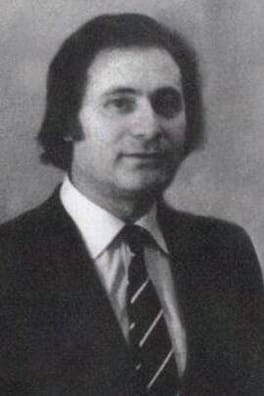
Photo: Zaripusha / CC BY-SA 4.0 (source: Wikimedia Commons)
Alfred Schnittke was born on November 24, 1934 in Engels, Saratov Oblast, Russia and was credited as a pianist, music educator and university teacher. Death is recorded on August 3, 1998, at the age of 63. Recorded honors include Knight Commander's Cross of the Order of Merit of the Federal Republic of Germany, Bach Prize of the Free and Hanseatic City of Hamburg (1992), Praemium Imperiale (1992) and 4 more. Alfred Schnittke was associated with Symphony No. 0 and Symphony No. 9.
My Take
Schnittke is one of those composers whose name alone demands a straighter spine. Born in Engels and rising into the very front rank of late twentieth-century music, he was described as charting the moral and spiritual struggles of modern man, and you can hear it. His work doesn't soothe; it confronts, it fractures, it refuses easy resolution, and yet it pulls you back again and again. The Praemium Imperiale and the long row of state honors only confirm what the ear already knows. He died in 1998, but that severe, searching sound never really stops. I hold this kind of uncompromising artist in genuine awe.
This take was written by generative AI, one per person, from publicly reported facts (editorial policy). It is a reading of the record, not reporting.
1. Profile
- Name (English)
- Alfred Schnittke
- Name (Japanese)
- アルフレット・シュニトケ
- Reading
- あるふれっと・しゅにとけ
- Born
- November 24, 1934 – August 3, 1998
- Origin
- Engels, Saratov Oblast, Russia
- Occupation
- composer / pianist / music educator / university teacher / film score composer
- Zodiac / Chinese zodiac
- Sagittarius / Dog
2. Background
Awards & achievements
- Knight Commander's Cross of the Order of Merit of the Federal Republic of Germany
- 1992 Bach Prize of the Free and Hanseatic City of Hamburg
- 1992 Praemium Imperiale
- Honored art worker of the Russian Soviet Federative Socialist Republic
- 1995 State Prize of the Russian Federation
- 1986 N.K. Krupskaya's state award
- 1995 Austrian Decoration for Science and Art
3. Works & records
Filmography / notable works
| Category | Title |
|---|---|
| Notable work | Symphony No. 0 |
| Notable work | Symphony No. 9 |
4. Links
- Official sitehttps://www.schnittke.org
- Wikipedia (English)https://en.wikipedia.org/wiki/Alfred%20Schnittke
- Wikipedia (Japanese)https://ja.wikipedia.org/wiki/%E3%82%A2%E3%83%AB%E3%83%95%E3%83%AC%E3%83%BC%E3%83%88%E3%83%BB%E3%82%B7%E3%83%A5%E3%83%8B%E3%83%88%E3%82%B1
- Wikidatahttps://www.wikidata.org/wiki/Q158078
5. About this entry
Tags
- Last updated
Facts are limited to publicly available information up to 2024; non-public or unconfirmed items are omitted. English text is machine-assisted (facts translated by Sonnet, "My Take" written by Opus 4.8). The Japanese page is the source of record.
Frequently asked questions
When was Alfred Schnittke born?
Alfred Schnittke was born on November 24, 1934.
When did Alfred Schnittke die?
Alfred Schnittke died on August 3, 1998, aged 63.
Where was Alfred Schnittke from?
Alfred Schnittke was from Engels, Saratov Oblast, Russia.
What did Alfred Schnittke do?
Alfred Schnittke worked as composer, pianist, music educator, university teacher, film score composer.
What was Alfred Schnittke known for?
Alfred Schnittke's notable works include Symphony No. 0, Symphony No. 9.
Composer — see all → · Pianist — see all → · More people from Russia → · More people born on November 24 →