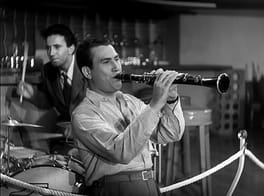
Photo: Unknown author / Public domain (source: Wikimedia Commons)
Artie Shaw was born on May 23, 1910 in New York City, New York, United States. Artie Shaw was credited as a film actor, bandleader and composer. Death is recorded on December 30, 2004, at the age of 94. Education on record includes Hillhouse High School. Recorded honors include Grammy Lifetime Achievement Award (2004), star on Hollywood Walk of Fame and NEA Jazz Masters.
My Take
Artie Shaw is a figure I find genuinely fascinating, partly for the music and partly for the restlessness behind it. Widely called one of jazz's finest clarinetists, he led one of America's most popular big bands right through the late 1930s and early 40s, the absolute peak of the swing era. The Grammy Lifetime Achievement Award and NEA Jazz Masters honor confirm what the records already tell you. What pulls me in, though, is that he was also a writer of fiction and non-fiction, a clarinetist who walked away from fame more than once. A virtuoso who kept questioning his own success feels rare and very human to me.
This take was written by generative AI, one per person, from publicly reported facts (editorial policy). It is a reading of the record, not reporting.
1. Profile
- Name (English)
- Artie Shaw
- Name (Japanese)
- アーティ・ショウ
- Reading
- あーてぃ・しょう
- Born
- May 23, 1910 – December 30, 2004
- Origin
- New York City, New York, United States
- Occupation
- film actor / bandleader / composer / conductor / clarinetist
- Zodiac / Chinese zodiac
- Gemini / Dog
2. Background
- High school
- Hillhouse High School
Awards & achievements
- 2004 Grammy Lifetime Achievement Award
- star on Hollywood Walk of Fame
- NEA Jazz Masters
3. Links
- Official sitehttps://www.artieshaw.com
- Wikipedia (English)https://en.wikipedia.org/wiki/Artie%20Shaw
- Wikipedia (Japanese)https://ja.wikipedia.org/wiki/%E3%82%A2%E3%83%BC%E3%83%86%E3%82%A3%E3%83%BB%E3%82%B7%E3%83%A7%E3%82%A6
- Wikidatahttps://www.wikidata.org/wiki/Q320065
4. About this entry
Tags
- Last updated
Facts are limited to publicly available information up to 2024; non-public or unconfirmed items are omitted. English text is machine-assisted (facts translated by Sonnet, "My Take" written by Opus 4.8). The Japanese page is the source of record.
Frequently asked questions
When was Artie Shaw born?
Born May 23, 1910.
When did Artie Shaw die?
Died December 30, 2004, aged 94.
Where was Artie Shaw from?
Artie Shaw was from New York City, New York, United States.
What did Artie Shaw do?
Artie Shaw worked as film actor, bandleader, composer, conductor, clarinetist.
Film actor — see all → · Bandleader — see all → · More people from the United States →