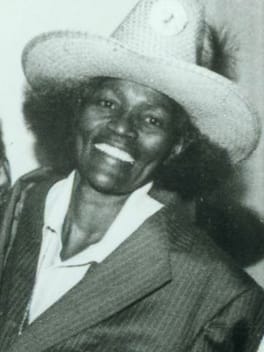
Photo: Barbara Weinberg Barefield / CC BY-SA 3.0 (source: Wikimedia Commons)
Born on December 11, 1926 in Montgomery, Alabama, United States, Big Mama Thornton was a musician, singer and songwriter. Big Mama Thornton died on July 25, 1984, aged 57. Credited works include Ball 'n' Chain and Hound Dog.
My Take
Big Mama Thornton is, to me, one of the most under-credited forces in American music. She cut "Hound Dog" before Elvis and wrote "Ball 'n' Chain" before Janis Joplin made it famous, yet history too often files her under footnote rather than founder. That booming, lived-in voice carried a truth no imitator could borrow. I find her story both thrilling and quietly infuriating, a reminder of how the blues was built by artists who rarely received their due. Decades after her death in 1984, she still feels vital, and honoring her properly feels like a small act of justice.
This take was written by generative AI, one per person, from publicly reported facts (editorial policy). It is a reading of the record, not reporting.
1. Profile
- Name (English)
- Big Mama Thornton
- Name (Japanese)
- ビッグ・ママ・ソーントン
- Reading
- びっぐ・まま・そーんとん
- Born
- December 11, 1926 – July 25, 1984
- Origin
- Montgomery, Alabama, United States
- Occupation
- musician / singer / songwriter
- Zodiac / Chinese zodiac
- Sagittarius / Tiger
2. Works & records
Filmography / notable works
| Category | Title |
|---|---|
| Notable work | Ball 'n' Chain |
| Notable work | Hound Dog |
3. Links
- Official sitehttps://www.blackpast.org/african-american-history/thornton-willie-mae-big-mama-1926-1984/
- Wikipedia (English)https://en.wikipedia.org/wiki/Big%20Mama%20Thornton
- Wikipedia (Japanese)https://ja.wikipedia.org/wiki/%E3%83%93%E3%83%83%E3%82%B0%E3%83%BB%E3%83%9E%E3%83%9E%E3%83%BB%E3%82%BD%E3%83%BC%E3%83%B3%E3%83%88%E3%83%B3
- Wikidatahttps://www.wikidata.org/wiki/Q237527
4. About this entry
Tags
- Last updated
Facts are limited to publicly available information up to 2024; non-public or unconfirmed items are omitted. English text is machine-assisted (facts translated by Sonnet, "My Take" written by Opus 4.8). The Japanese page is the source of record.
Frequently asked questions
When was Big Mama Thornton born?
Big Mama Thornton was born on December 11, 1926.
When did Big Mama Thornton die?
Big Mama Thornton died on July 25, 1984, aged 57.
Where was Big Mama Thornton from?
Big Mama Thornton was from Montgomery, Alabama, United States.
What did Big Mama Thornton do?
Big Mama Thornton worked as musician, singer, songwriter.
What was Big Mama Thornton known for?
Big Mama Thornton's notable works include Ball 'n' Chain, Hound Dog.
Musician — see all → · Singer — see all → · More people from the United States → · More people born on December 11 →