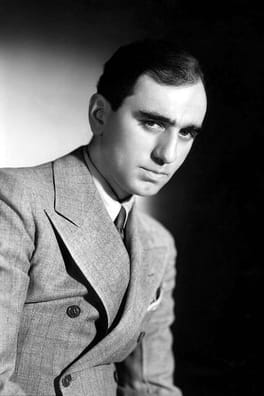
Photo: Public Use / CC BY 4.0 (source: Wikimedia Commons)
Busby Berkeley was a film director, choreographer and actor. Busby Berkeley was born in Los Angeles, California, United States on November 29, 1895. Death is recorded on March 14, 1976, at the age of 80.
My Take
Busby Berkeley is one of those names I associate with pure cinematic spectacle. Born in 1895 and working mainly at Warner Brothers in the early-to-mid 1930s, he turned the musical number into something almost architectural, arranging dozens of dancers into kaleidoscopic geometric patterns shot from impossible overhead angles. I find his work genuinely dazzling and a little surreal, more about pattern and movement than plot. Watching it now, I'm struck by how modern that visual ambition feels. He didn't just choreograph dances; he choreographed the camera itself, and that instinct still influences how spectacle is filmed today.
This take was written by generative AI, one per person, from publicly reported facts (editorial policy). It is a reading of the record, not reporting.
1. Profile
- Name (English)
- Busby Berkeley
- Name (Japanese)
- バスビー・バークレー
- Reading
- ばすびー・ばーくれー
- Born
- November 29, 1895 – March 14, 1976
- Origin
- Los Angeles, California, United States
- Occupation
- film director / choreographer / actor / theatre director / director
- Zodiac / Chinese zodiac
- Sagittarius / Goat
2. Links
3. About this entry
Tags
- Last updated
Facts are limited to publicly available information up to 2024; non-public or unconfirmed items are omitted. English text is machine-assisted (facts translated by Sonnet, "My Take" written by Opus 4.8). The Japanese page is the source of record.
Frequently asked questions
When was Busby Berkeley born?
Born November 29, 1895.
When did Busby Berkeley die?
Died March 14, 1976, aged 80.
Where was Busby Berkeley from?
Busby Berkeley was from Los Angeles, California, United States.
What did Busby Berkeley do?
Busby Berkeley worked as film director, choreographer, actor, theatre director, director.
Film director — see all → · Choreographer — see all → · More people from the United States →