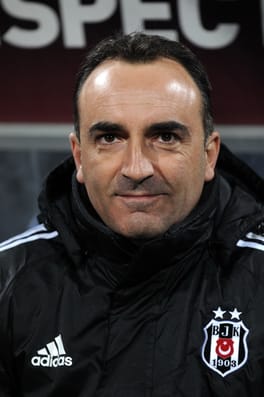
Photo: Ilya Khokhlov / CC BY-SA 3.0 (source: Wikimedia Commons)
Carlos Carvalhal is an association football player and association football coach, born on December 4, 1965 in Braga, Portugal. As of 2026, Carlos Carvalhal is 60 years old. The listed height is 178 cm.
My Take
Carlos Carvalhal interests me precisely because he wasn't a superstar player yet became a true journeyman manager who circled the globe. A Braga-born centre-back who returned to his hometown club three times, he later coached across Portugal and England, surviving the grind at clubs like Swansea and Sheffield Wednesday. He's also remembered for peppering press conferences with folksy proverbs, bringing an oddly literary humour to the brutal results business. To me he embodies resilient adaptability, the manager who keeps finding work because he keeps learning. I admire that unflashy persistence far more than a single dazzling season.
This take was written by generative AI, one per person, from publicly reported facts (editorial policy). It is a reading of the record, not reporting.
1. Profile
- Name (English)
- Carlos Carvalhal
- Name (Japanese)
- カルロス・カルバリャル
- Reading
- かるろす・かるばりゃる
- Born
- December 4, 1965 (age 60)
- Origin
- Braga, Portugal
- Height
- 178 cm
- Occupation
- association football player / association football coach
- Zodiac / Chinese zodiac
- Sagittarius / Snake
2. Links
3. About this entry
Tags
- Last updated
Facts are limited to publicly available information up to 2024; non-public or unconfirmed items are omitted. English text is machine-assisted (facts translated by Sonnet, "My Take" written by Opus 4.8). The Japanese page is the source of record.
Frequently asked questions
When was Carlos Carvalhal born?
Born December 4, 1965 (age 60).
Where is Carlos Carvalhal from?
Carlos Carvalhal is from Braga, Portugal.
What does Carlos Carvalhal do?
Carlos Carvalhal works as association football player, association football coach.
How tall is Carlos Carvalhal?
Carlos Carvalhal is 178 cm.
Association football player — see all → · Association football coach — see all → · More people from Portugal →