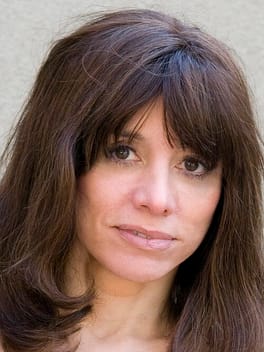
Photo: Stephen Baranovics / CC BY-SA 3.0 (source: Wikimedia Commons)
Catherine Asaro is listed as a novelist, science fiction writer and physicist. Catherine Asaro was born on November 6, 1955 in Oakland, California, United States. That works out to 70 years old in 2026. Education on record includes John F. Kennedy High School and Harvard University. Awards on record include Nebula Award for Best Novel (2002) and Nebula Award for Best Novella (2009).
My Take
Catherine Asaro genuinely astonishes me. A Harvard-trained physicist who won the Nebula Award twice for her fiction, while also working as a dancer and singer, she seems to be living several lifetimes at once. Her sweeping space epics, like the Saga of the Skolian Empire, carry a rare authority precisely because real scientific understanding underpins the wonder, letting imagination and rigor dissolve into one another. To hold science and art, motion and language, all in one career strikes me as a kind of cultural treasure.
This take was written by generative AI, one per person, from publicly reported facts (editorial policy). It is a reading of the record, not reporting.
1. Profile
- Name (English)
- Catherine Asaro
- Name (Japanese)
- キャサリン・アサロ
- Reading
- きゃさりん・あさろ
- Born
- November 6, 1955 (age 70)
- Origin
- Oakland, California, United States
- Occupation
- writer / novelist / science fiction writer / physicist / dancer
- Zodiac / Chinese zodiac
- Scorpio / Goat
2. Background
- High school
- John F. Kennedy High School
- University
- Harvard University
Awards & achievements
- 2002 Nebula Award for Best Novel
- 2009 Nebula Award for Best Novella
3. Works & records
Filmography / notable works
| Category | Title |
|---|---|
| Notable work | Saga of the Skolian Empire |
4. Links
- Official sitehttps://www.catherineasaro.net/
- Xhttps://x.com/Catherine_Asaro
- Wikipedia (English)https://en.wikipedia.org/wiki/Catherine%20Asaro
- Wikipedia (Japanese)https://ja.wikipedia.org/wiki/%E3%82%AD%E3%83%A3%E3%82%B5%E3%83%AA%E3%83%B3%E3%83%BB%E3%82%A2%E3%82%B5%E3%83%AD
- Wikidatahttps://www.wikidata.org/wiki/Q260054
5. About this entry
Tags
- Last updated
Facts are limited to publicly available information up to 2024; non-public or unconfirmed items are omitted. English text is machine-assisted (facts translated by Sonnet, "My Take" written by Opus 4.8). The Japanese page is the source of record.
Frequently asked questions
When was Catherine Asaro born?
Born November 6, 1955 (age 70).
Where is Catherine Asaro from?
Catherine Asaro is from Oakland, California, United States.
What does Catherine Asaro do?
Catherine Asaro works as writer, novelist, science fiction writer, physicist, dancer.
What is Catherine Asaro known for?
Notable works include Saga of the Skolian Empire.
Writer — see all → · Novelist — see all → · More people from the United States →