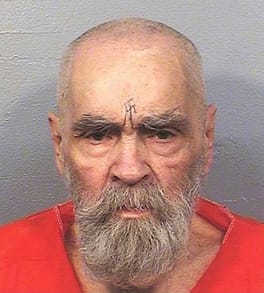
Photo: California Department of Corrections and Rehabilitation / Public domain (source: Wikimedia Commons)
Charles Manson, born on November 12, 1934 in Cincinnati, Ohio, United States, was a criminal, cult leader and serial killer. Charles Manson died on November 19, 2017, aged 83. Schooling on record includes Arroyo High School and Pasadena City College. The listed height was 157 cm.
My Take
I include Charles Manson in this database with deliberate caution, because notoriety should never be confused with achievement. What I take from his story is a warning about charisma: a failed musician who learned, across a lifetime spent mostly in institutions, how to find lost young people and weaponize their need to belong. The murders his followers committed in 1969 ended innocent lives and scarred a culture. If there is any value in studying him, it lies in recognizing how cults recruit and control, and in keeping our attention on the victims rather than on the myth that grew around their killer.
This take was written by generative AI, one per person, from publicly reported facts (editorial policy). It is a reading of the record, not reporting.
1. Profile
- Name (English)
- Charles Manson
- Name (Japanese)
- チャールズ・マンソン
- Reading
- ちゃーるず・まんそん
- Born
- November 12, 1934 – November 19, 2017
- Origin
- Cincinnati, Ohio, United States
- Height
- 157 cm
- Occupation
- criminal / cult leader / serial killer / musician
- Zodiac / Chinese zodiac
- Scorpio / Dog
2. Background
- High school
- Arroyo High School
- University
- Pasadena City College
3. Links
- Official sitehttps://www.charlesmanson.com
- Wikipedia (English)https://en.wikipedia.org/wiki/Charles%20Manson
- Wikipedia (Japanese)https://ja.wikipedia.org/wiki/%E3%83%81%E3%83%A3%E3%83%BC%E3%83%AB%E3%82%BA%E3%83%BB%E3%83%9E%E3%83%B3%E3%82%BD%E3%83%B3
- Wikidatahttps://www.wikidata.org/wiki/Q485508
4. About this entry
Tags
- Last updated
Facts are limited to publicly available information up to 2024; non-public or unconfirmed items are omitted. English text is machine-assisted (facts translated by Sonnet, "My Take" written by Opus 4.8). The Japanese page is the source of record.
Frequently asked questions
When was Charles Manson born?
Born November 12, 1934.
When did Charles Manson die?
Died November 19, 2017, aged 83.
Where was Charles Manson from?
Charles Manson was from Cincinnati, Ohio, United States.
What did Charles Manson do?
Charles Manson worked as criminal, cult leader, serial killer, musician.
How tall was Charles Manson?
Charles Manson was 157 cm.