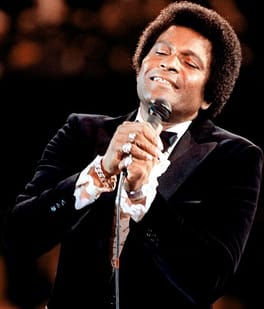
Photo: GREG MATHISON / Public domain (source: Wikimedia Commons)
Born on March 18, 1934, Charley Pride was from Sledge, Mississippi, United States. Charley Pride was credited as a singer, songwriter and guitarist. Death is recorded on December 12, 2020, at the age of 86. Recorded honors include Grammy Awards, Favorite Country Male Artist (1973, 1976), star on Hollywood Walk of Fame and 1 more.
My Take
Charley Pride's story moves me more than almost any in country music. A Black man from a Mississippi sharecropping family, a Negro league ballplayer, who walked into the whitest corner of American music and outsold Elvis at his peak. He didn't argue about prejudice; he simply sang so well that the argument dissolved. What I admire is that warm, unhurried baritone doing the persuading. The Grammys and the Walk of Fame star feel almost beside the point. He's proof that talent, delivered with quiet dignity, can reshape an entire genre's idea of who belongs in it.
This take was written by generative AI, one per person, from publicly reported facts (editorial policy). It is a reading of the record, not reporting.
1. Profile
- Name (English)
- Charley Pride
- Name (Japanese)
- チャーリー・プライド
- Reading
- ちゃーりー・ぷらいど
- Born
- March 18, 1934 – December 12, 2020
- Origin
- Sledge, Mississippi, United States
- Occupation
- singer / songwriter / guitarist / baseball player / country musician
- Zodiac / Chinese zodiac
- Pisces / Dog
2. Background
Awards & achievements
- Grammy Awards
- 1973 Favorite Country Male Artist
- 1976 Favorite Country Male Artist
- star on Hollywood Walk of Fame
- Willie Nelson Lifetime Achievement Award
3. Links
- Official sitehttps://www.charleypride.com/
- Wikipedia (English)https://en.wikipedia.org/wiki/Charley%20Pride
- Wikidatahttps://www.wikidata.org/wiki/Q1066772
4. About this entry
Tags
- Last updated
Facts are limited to publicly available information up to 2024; non-public or unconfirmed items are omitted. English text is machine-assisted (facts translated by Sonnet, "My Take" written by Opus 4.8). The Japanese page is the source of record.
Frequently asked questions
When was Charley Pride born?
Charley Pride was born on March 18, 1934.
When did Charley Pride die?
Charley Pride died on December 12, 2020, aged 86.
Where was Charley Pride from?
Charley Pride was from Sledge, Mississippi, United States.
What did Charley Pride do?
Charley Pride worked as singer, songwriter, guitarist, baseball player, country musician.
Singer — see all → · Songwriter — see all → · More people from the United States → · More people born on March 18 →