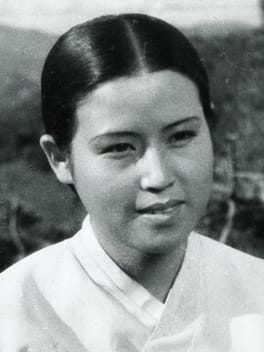
Photo: Yun Yong-gyu (윤용규) / Public domain (source: Wikimedia Commons)
Choi Eun-hee was born on November 20, 1926 in Gwangju, Gyeonggi Province, South Korea. Public records list Choi Eun-hee as a film actor, film director and singer. Death is recorded on April 16, 2018, at the age of 91. Schooling on record includes Bosung Girls' High School. Recorded honors include Grand Bell Awards.
My Take
Choi Eun-hee had one of the most extraordinary lives in cinema history, and I don't say that lightly. She was already a genuine icon of South Korean film — one of the biggest stars of the 1960s and 70s — before her story took a turn that no screenwriter would dare invent: abducted to North Korea in 1978 by agents acting on Kim Jong-il's orders, forced to make propaganda films alongside her ex-husband director Shin Sang-ok, and then pulling off a daring escape to the U.S. embassy in Vienna eight years later. The courage it takes to survive that, keep your dignity intact, and eventually tell the world what happened is staggering. She passed away in 2018, but her legacy as both a fearless artist and an accidental Cold War survivor deserves far more recognition than she typically gets outside Korea.
This take was written by generative AI, one per person, from publicly reported facts (editorial policy). It is a reading of the record, not reporting.
1. Profile
- Name (English)
- Choi Eun-hee
- Name (Japanese)
- 崔銀姫
- Reading
- ちぇ・うに
- Born
- November 20, 1926 – April 16, 2018
- Origin
- Gwangju, Gyeonggi Province, South Korea
- Occupation
- film actor / director / actor / film director / singer
- Zodiac / Chinese zodiac
- Scorpio / Tiger
2. Background
- High school
- Bosung Girls' High School
Awards & achievements
- Grand Bell Awards
3. Links
- Wikipedia (English)https://en.wikipedia.org/wiki/Choi%20Eun-hee
- Wikipedia (Japanese)https://ja.wikipedia.org/wiki/%E5%B4%94%E9%8A%80%E5%A7%AB
- Wikidatahttps://www.wikidata.org/wiki/Q449397
4. About this entry
Tags
- Last updated
Only publicly available facts are listed; non-public or unconfirmed items are omitted. Base data was compiled from Wikidata from June 2026 onward; ages are recalculated daily and deaths are checked against Wikidata on an ongoing basis. English text is machine-assisted (facts translated by Sonnet, "My Take" written by Opus 4.8). The Japanese page is the source of record.
Frequently asked questions
When was Choi Eun-hee born?
Choi Eun-hee was born on November 20, 1926.
When did Choi Eun-hee die?
Choi Eun-hee died on April 16, 2018, aged 91.
Where was Choi Eun-hee from?
Choi Eun-hee was from Gwangju, Gyeonggi Province, South Korea.
What did Choi Eun-hee do?
Choi Eun-hee worked as film actor, director, actor, film director, singer.
Which high school did Choi Eun-hee attend?
Choi Eun-hee attended Bosung Girls' High School.
Film actor — see all → · Director — see all → · More people from South Korea → · More people born on November 20 →