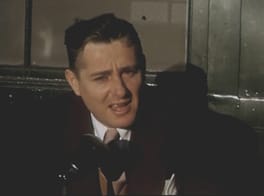
Photo: Narrangansett Brewing Company / Public Domain (source: Wikimedia Commons)
Curt Gowdy was listed as an announcer, actor and film producer. Curt Gowdy was born in Green River, Wyoming, United States on July 31, 1919. Death is recorded on February 20, 2006, at the age of 86. Education on record includes University of Wyoming. Awards on record include Peabody Awards (1969), Sports Lifetime Achievement Award (1991), John Bunn Award (1978) and 1 more.
My Take
Curt Gowdy belongs to an era of sportscasting I find almost mythic. For fifteen years he was the voice of the Boston Red Sox, then carried that warm, authoritative delivery across NBC and ABC throughout the 1960s and 70s. I respect how broadcasters like him turned ordinary games into shared national memory, their cadence as much a part of the moment as the play itself. The Peabody Award confirms the craft, but his lasting gift was making listeners feel they were in the stands. He passed in 2006, yet a great voice lingers, and Gowdy's lingers well.
This take was written by generative AI, one per person, from publicly reported facts (editorial policy). It is a reading of the record, not reporting.
1. Profile
- Name (English)
- Curt Gowdy
- Name (Japanese)
- カート・ガウディ
- Reading
- かーと・がうでぃ
- Born
- July 31, 1919 – February 20, 2006
- Origin
- Green River, Wyoming, United States
- Occupation
- announcer / actor / film producer / sports commentator
- Zodiac / Chinese zodiac
- Leo / Goat
2. Background
- University
- University of Wyoming
Awards & achievements
- 1969 Peabody Awards
- 1991 Sports Lifetime Achievement Award
- 1978 John Bunn Award
- Boston Red Sox Hall of Fame
3. Links
- Wikipedia (English)https://en.wikipedia.org/wiki/Curt%20Gowdy
- Wikidatahttps://www.wikidata.org/wiki/Q1145100
4. About this entry
Tags
- Last updated
Facts are limited to publicly available information up to 2024; non-public or unconfirmed items are omitted. English text is machine-assisted (facts translated by Sonnet, "My Take" written by Opus 4.8). The Japanese page is the source of record.
Frequently asked questions
When was Curt Gowdy born?
Curt Gowdy was born on July 31, 1919.
When did Curt Gowdy die?
Curt Gowdy died on February 20, 2006, aged 86.
Where was Curt Gowdy from?
Curt Gowdy was from Green River, Wyoming, United States.
What did Curt Gowdy do?
Curt Gowdy worked as announcer, actor, film producer, sports commentator.
Where did Curt Gowdy study?
Curt Gowdy attended University of Wyoming.
Announcer — see all → · Actor — see all → · More people from the United States → · More people born on July 31 →