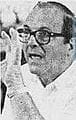
Photo: The original uploader was Pakdooik at Italian Wikipedia. / Public domain (source: Wikimedia Commons)
Damiano Damiani was born on July 23, 1922 in Pasiano di Pordenone, Friuli Venezia Giulia, Italy and was credited as a film director, screenwriter and actor. Damiano Damiani died on March 7, 2013 at the age of 90. Listed accolades include Targa d'Oro (1968) and Golden Shell (1962).
My Take
Damiano Damiani is the kind of director I wish more people remembered. Pasolini called him a bitter moralist hungry for old purity, and critics named him the most American of Italian directors, which I think captures a fascinating tension: a European conscience working in a hard, propulsive style. His films dug into corruption and power without flinching, and that moral clarity is precisely why his work still bites. Winning the Golden Shell in 1962 confirmed his craft early. For me, he belongs to that breed of postwar Italian filmmakers whose unfashionable seriousness has aged into genuine substance.
This take was written by generative AI, one per person, from publicly reported facts (editorial policy). It is a reading of the record, not reporting.
1. Profile
- Name (English)
- Damiano Damiani
- Name (Japanese)
- ダミアーノ・ダミアーニ
- Reading
- だみあーの・だみあーに
- Born
- July 23, 1922 – March 7, 2013
- Origin
- Pasiano di Pordenone, Friuli Venezia Giulia, Italy
- Occupation
- film director / screenwriter / actor / writer / director
- Zodiac / Chinese zodiac
- Leo / Dog
2. Background
Awards & achievements
- 1968 Targa d'Oro
- 1962 Golden Shell
3. Links
4. About this entry
Tags
- Last updated
Facts are limited to publicly available information up to 2024; non-public or unconfirmed items are omitted. English text is machine-assisted (facts translated by Sonnet, "My Take" written by Opus 4.8). The Japanese page is the source of record.
Frequently asked questions
When was Damiano Damiani born?
Born July 23, 1922.
When did Damiano Damiani die?
Died March 7, 2013, aged 90.
Where was Damiano Damiani from?
Damiano Damiani was from Pasiano di Pordenone, Friuli Venezia Giulia, Italy.
What did Damiano Damiani do?
Damiano Damiani worked as film director, screenwriter, actor, writer, director.
Film director — see all → · Screenwriter — see all → · More people from Italy →