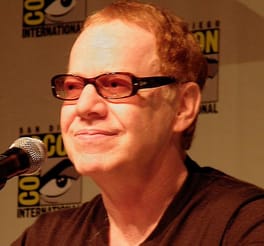
Photo: Danny_Elfman.jpg: The Kuhnster derivative work: Electroguv (talk) / CC BY-SA 2.0 (source: Wikimedia Commons)
Danny Elfman was born in Los Angeles, California, United States on May 29, 1953. Public records list Danny Elfman as a singer, actor and record producer. That works out to 73 years old in 2026. Schooling on record includes University High School. Listed accolades include Disney Legends (2015), Primetime Emmy Award for Outstanding Original Main Title Theme Music (2005, 2023), Primetime Emmy Award for Outstanding Music Direction (2016) and 1 more.
My Take
Danny Elfman occupies a unique place in my personal pantheon: the new wave frontman who became the sound of modern cinematic whimsy. What impresses me is not just the famous themes but the consistency of his musical fingerprint, playful, gothic, slightly unhinged, across decades of film and television scoring. A largely self-taught composer out of Los Angeles outworking the conservatory crowd is a story I will always root for. The Grammy, the Emmys, and the Disney Legends honor confirm what the ear already knows. Past seventy, he still writes, sings, and performs like a man with something to prove. That restlessness is the real legacy.
This take was written by generative AI, one per person, from publicly reported facts (editorial policy). It is a reading of the record, not reporting.
1. Profile
- Name (English)
- Danny Elfman
- Name (Japanese)
- ダニー・エルフマン
- Reading
- だにー・えるふまん
- Born
- May 29, 1953 (age 73)
- Origin
- Los Angeles, California, United States
- Occupation
- singer / composer / actor / record producer / film score composer
- Zodiac / Chinese zodiac
- Gemini / Snake
2. Background
- High school
- University High School
- University
- University High School
Awards & achievements
- 2015 Disney Legends
- 2005 Primetime Emmy Award for Outstanding Original Main Title Theme Music
- 2016 Primetime Emmy Award for Outstanding Music Direction
- 2023 Primetime Emmy Award for Outstanding Original Main Title Theme Music
- 1990 Grammy Award for Best Instrumental Composition
3. Links
- Official sitehttps://www.dannyelfman.com/
- Instagramhttps://www.instagram.com/dannyelfman/
- Xhttps://x.com/dannyelfman
- Wikipedia (English)https://en.wikipedia.org/wiki/Danny%20Elfman
- Wikipedia (Japanese)https://ja.wikipedia.org/wiki/%E3%83%80%E3%83%8B%E3%83%BC%E3%83%BB%E3%82%A8%E3%83%AB%E3%83%95%E3%83%9E%E3%83%B3
- Wikidatahttps://www.wikidata.org/wiki/Q193338
4. About this entry
Tags
- Last updated
Facts are limited to publicly available information up to 2024; non-public or unconfirmed items are omitted. English text is machine-assisted (facts translated by Sonnet, "My Take" written by Opus 4.8). The Japanese page is the source of record.
Frequently asked questions
When was Danny Elfman born?
Born May 29, 1953 (age 73).
Where is Danny Elfman from?
Danny Elfman is from Los Angeles, California, United States.
What does Danny Elfman do?
Danny Elfman works as singer, composer, actor, record producer, film score composer.
Singer — see all → · Composer — see all → · More people from the United States →