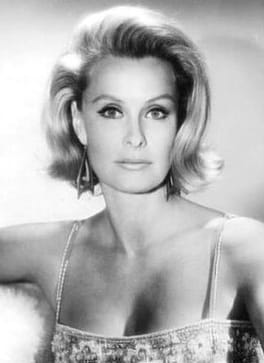
Photo: Photo by John Engstead/Helen Ferguson, public relations-Los Angeles / Public domain (source: Wikimedia Commons)
Dina Merrill was born in New York City, New York, United States on December 29, 1923. Dina Merrill was credited as a film actor, executive producer and stage actor. Death is recorded on May 22, 2017, at the age of 93. Schooling on record includes George Washington University.
My Take
Dina Merrill strikes me as the embodiment of mid-century screen elegance who refused to stay decorative. More than a hundred film and television credits across five decades is not the resume of a dilettante; it is the work ethic of a professional who kept showing up long after she had nothing left to prove. I am particularly drawn to her later work as an executive producer, stepping behind the camera in an era when few actresses were handed that leverage — so she built it herself. New York-born and active into the 2000s, she modeled a kind of graceful persistence that I find quietly inspiring.
This take was written by generative AI, one per person, from publicly reported facts (editorial policy). It is a reading of the record, not reporting.
1. Profile
- Name (English)
- Dina Merrill
- Name (Japanese)
- ダイナ・メリル
- Reading
- だいな・めりる
- Born
- December 29, 1923 – May 22, 2017
- Origin
- New York City, New York, United States
- Occupation
- film actor / executive producer / stage actor / television actor / actor
- Zodiac / Chinese zodiac
- Capricorn / Boar
2. Background
- University
- George Washington University
3. Links
- Wikipedia (English)https://en.wikipedia.org/wiki/Dina%20Merrill
- Wikidatahttps://www.wikidata.org/wiki/Q51703
4. About this entry
Tags
- Last updated
Facts are limited to publicly available information up to 2024; non-public or unconfirmed items are omitted. English text is machine-assisted (facts translated by Sonnet, "My Take" written by Opus 4.8). The Japanese page is the source of record.
Frequently asked questions
When was Dina Merrill born?
Born December 29, 1923.
When did Dina Merrill die?
Died May 22, 2017, aged 93.
Where was Dina Merrill from?
Dina Merrill was from New York City, New York, United States.
What did Dina Merrill do?
Dina Merrill worked as film actor, executive producer, stage actor, television actor, actor.
Film actor — see all → · Executive producer — see all → · More people from the United States →