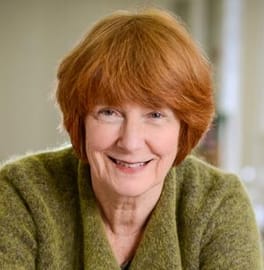
Photo: Fotograf: Bertold Fabricius Rechteinhaberin: Dorothee Wierling / CC BY-SA 4.0 (source: Wikimedia Commons)
Public records list Dorothee Wierling as a historian of Modern Age, university teacher and historian. Dorothee Wierling was born on March 10, 1950 in Essen, North Rhine-Westphalia, Germany. That works out to 76 years old in 2026.
My Take
Dorothee Wierling represents the kind of scholar I quietly admire: a historian of the modern age who works far from any spotlight. Born in 1950 in Essen, the heart of Germany's industrial Ruhr, she came of age in a country wrestling with division, memory, and the weight of its recent past. Historians like her do the unglamorous work of asking how things really happened, so the record can't be quietly rewritten. As a university teacher she also passes that habit of inquiry to younger minds. I respect people who let their writing, not their fame, do the talking.
This take was written by generative AI, one per person, from publicly reported facts (editorial policy). It is a reading of the record, not reporting.
1. Profile
- Name (English)
- Dorothee Wierling
- Name (Japanese)
- ドロテー・ヴィアリング
- Reading
- どろてー・ゔぃありんぐ
- Born
- March 10, 1950 (age 76)
- Origin
- Essen, North Rhine-Westphalia, Germany
- Occupation
- historian of Modern Age / university teacher / historian
- Zodiac / Chinese zodiac
- Pisces / Tiger
2. Links
3. About this entry
Tags
- Last updated
Facts are limited to publicly available information up to 2024; non-public or unconfirmed items are omitted. English text is machine-assisted (facts translated by Sonnet, "My Take" written by Opus 4.8). The Japanese page is the source of record.
Frequently asked questions
When was Dorothee Wierling born?
Born March 10, 1950 (age 76).
Where is Dorothee Wierling from?
Dorothee Wierling is from Essen, North Rhine-Westphalia, Germany.
What does Dorothee Wierling do?
Dorothee Wierling works as historian of Modern Age, university teacher, historian.