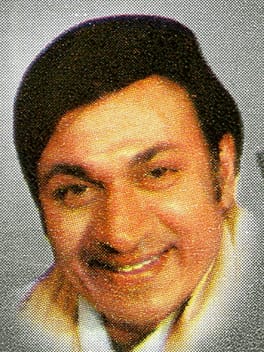
Photo: India Post, Government of India / GODL-India (source: Wikimedia Commons)
Dr. Rajkumar was a singer, film actor and film producer. Dr. Rajkumar was born in Kingdom of Mysore, British Raj on April 24, 1929. Death is recorded on April 12, 2006, at the age of 76. Listed accolades include Filmfare Awards South, Dadasaheb Phalke Award (1995), Padma Bhushan (1983) and 1 more.
My Take
What strikes me about Dr. Rajkumar isn't just his stardom, but the rare double life of a leading man who also sang his own songs. Born in the old Kingdom of Mysore, he became the beating heart of Kannada cinema at a time when regional film needed a champion. The Dadasaheb Phalke Award and Padma Bhushan tell you the state itself saw him as a cultural pillar, not merely a celebrity. I find that meaningful: he gave a language and a people a face to be proud of. Long after his passing in 2006, that quiet, defiant devotion to his roots is what I admire most.
This take was written by generative AI, one per person, from publicly reported facts (editorial policy). It is a reading of the record, not reporting.
1. Profile
- Name (English)
- Dr. Rajkumar
- Name (Japanese)
- ラージクマール
- Reading
- らーじくまーる
- Born
- April 24, 1929 – April 12, 2006
- Origin
- Kingdom of Mysore, British Raj
- Occupation
- singer / film actor / film producer / actor
- Zodiac / Chinese zodiac
- Taurus / Snake
2. Background
Awards & achievements
- Filmfare Awards South
- 1995 Dadasaheb Phalke Award
- 1983 Padma Bhushan
- Karnataka Ratna
3. Links
- Wikipedia (English)https://en.wikipedia.org/wiki/Dr.%20Rajkumar
- Wikidatahttps://www.wikidata.org/wiki/Q984634
4. About this entry
Tags
- Last updated
Facts are limited to publicly available information up to 2024; non-public or unconfirmed items are omitted. English text is machine-assisted (facts translated by Sonnet, "My Take" written by Opus 4.8). The Japanese page is the source of record.
Frequently asked questions
When was Dr. Rajkumar born?
Born April 24, 1929.
When did Dr. Rajkumar die?
Died April 12, 2006, aged 76.
Where was Dr. Rajkumar from?
Dr. Rajkumar was from Kingdom of Mysore, British Raj.
What did Dr. Rajkumar do?
Dr. Rajkumar worked as singer, film actor, film producer, actor.