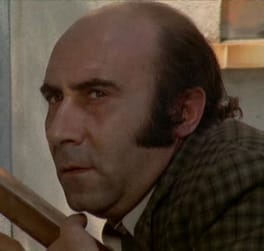
Photo: Cavarrone at the Italian Wikipedia project. / Public domain (source: Wikimedia Commons)
Enzo Cannavale was born in Castellammare di Stabia, Province of Naples, Italy on April 5, 1928. Enzo Cannavale was credited as a stage actor, film actor and television actor. Death is recorded on March 18, 2011, at the age of 82. Awards on record include Nastro d'Argento for Best Supporting Actor.
My Take
Enzo Cannavale belongs to a breed of actor I deeply respect: the indispensable character player. With more than a hundred films from 1949 onward, including a role in the Oscar-winning Cinema Paradiso, he was the kind of face that made Italian cinema feel lived-in and human. Lead actors get the posters, but it is people like Cannavale who give a film its texture and warmth, and his Nastro d'Argento for Best Supporting Actor confirms the industry knew it too. There is something quietly heroic about a Neapolitan craftsman who spent six decades enriching other people's stories, and I find that career far more moving than any single star turn.
This take was written by generative AI, one per person, from publicly reported facts (editorial policy). It is a reading of the record, not reporting.
1. Profile
- Name (English)
- Enzo Cannavale
- Name (Japanese)
- エンツォ・カンナヴァーレ
- Reading
- えんつぉ・かんなゔぁーれ
- Born
- April 5, 1928 – March 18, 2011
- Origin
- Castellammare di Stabia, Province of Naples, Italy
- Occupation
- actor / stage actor / film actor / television actor
- Zodiac / Chinese zodiac
- Aries / Dragon
2. Background
Awards & achievements
- Nastro d'Argento for Best Supporting Actor
3. Links
- Wikipedia (English)https://en.wikipedia.org/wiki/Enzo%20Cannavale
- Wikidatahttps://www.wikidata.org/wiki/Q339358
4. About this entry
Tags
- Last updated
Facts are limited to publicly available information up to 2024; non-public or unconfirmed items are omitted. English text is machine-assisted (facts translated by Sonnet, "My Take" written by Opus 4.8). The Japanese page is the source of record.
Frequently asked questions
When was Enzo Cannavale born?
Enzo Cannavale was born on April 5, 1928.
When did Enzo Cannavale die?
Enzo Cannavale died on March 18, 2011, aged 82.
Where was Enzo Cannavale from?
Enzo Cannavale was from Castellammare di Stabia, Province of Naples, Italy.
What did Enzo Cannavale do?
Enzo Cannavale worked as actor, stage actor, film actor, television actor.
Actor — see all → · Stage actor — see all → · More people from Italy → · More people born on April 5 →