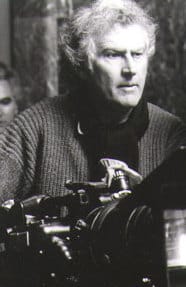
Photo: Unknown author / Public domain (source: Wikimedia Commons)
Fernando Solanas was born in Olivos, Buenos Aires Province, Argentina on February 16, 1936. Fernando Solanas was listed as a theatre director, politician and film director. Death is recorded on November 6, 2020, at the age of 84. Recorded honors include Guggenheim Fellowship, Sutherland Trophy (1972) and Cannes Best Director Award (1988).
My Take
Solanas is the kind of artist I keep coming back to because he refused to stay in one lane. A Cannes-winning director who also picked up a camera, wrote the scores, and then went into politics is not a resume, it is a worldview. What I admire most is that he used his prestige as a weapon rather than a cushion, pointing his lens at Argentina's dictatorships and corruption when it would have been safer to coast. Pino mattered because he treated cinema as civic duty, and he carried that conviction from the outskirts of Buenos Aires all the way to the end.
This take was written by generative AI, one per person, from publicly reported facts (editorial policy). It is a reading of the record, not reporting.
1. Profile
- Name (English)
- Fernando Solanas
- Name (Japanese)
- フェルナンド・E・ソラナス
- Reading
- ふぇるなんど・E・そらなす
- Born
- February 16, 1936 – November 6, 2020
- Origin
- Olivos, Buenos Aires Province, Argentina
- Occupation
- theatre director / politician / film director / screenwriter / cinematographer
- Zodiac / Chinese zodiac
- Aquarius / Rat
2. Background
Awards & achievements
- Guggenheim Fellowship
- 1972 Sutherland Trophy
- 1988 Cannes Best Director Award
3. Links
- Official sitehttps://www.pinosolanas.com
- Xhttps://x.com/fernandosolanas
- Wikipedia (English)https://en.wikipedia.org/wiki/Fernando%20Solanas
- Wikipedia (Japanese)https://ja.wikipedia.org/wiki/%E3%83%95%E3%82%A7%E3%83%AB%E3%83%8A%E3%83%B3%E3%83%89%E3%83%BBE%E3%83%BB%E3%82%BD%E3%83%A9%E3%83%8A%E3%82%B9
- Wikidatahttps://www.wikidata.org/wiki/Q508497
4. About this entry
Tags
- Last updated
Facts are limited to publicly available information up to 2024; non-public or unconfirmed items are omitted. English text is machine-assisted (facts translated by Sonnet, "My Take" written by Opus 4.8). The Japanese page is the source of record.
Frequently asked questions
When was Fernando Solanas born?
Born February 16, 1936.
When did Fernando Solanas die?
Died November 6, 2020, aged 84.
Where was Fernando Solanas from?
Fernando Solanas was from Olivos, Buenos Aires Province, Argentina.
What did Fernando Solanas do?
Fernando Solanas worked as theatre director, politician, film director, screenwriter, cinematographer.
Theatre director — see all → · Politician — see all → · More people from Argentina →