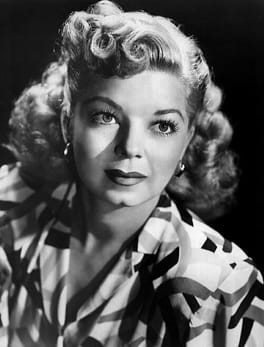
Photo: CBS Radio / Public domain (source: Wikimedia Commons)
Frances Langford was a singer, film actor and screenwriter, born on April 4, 1913 in Lakeland, Florida, United States. Frances Langford died on July 11, 2005, aged 92. Schooling on record includes Lakeland Senior High School. Recorded honors include Florida Women's Hall of Fame (2002) and star on Hollywood Walk of Fame.
My Take
Frances Langford fascinates me because she chose courage over comfort. A Golden Age radio star could have stayed safely behind a studio microphone, but she toured with Bob Hope into harm's way and earned the name GI Nightingale by singing for troops who needed her most. That a girl from Lakeland, Florida built a film and radio career spanning more than two decades is impressive on its own, yet it is the warmth she carried to the front lines that lingers. Voices fade with their era, but the comfort she gave people endures. I would genuinely love to hear those recordings.
This take was written by generative AI, one per person, from publicly reported facts (editorial policy). It is a reading of the record, not reporting.
1. Profile
- Name (English)
- Frances Langford
- Name (Japanese)
- フランセス・ラングフォード
- Reading
- ふらんせす・らんぐふぉーど
- Born
- April 4, 1913 – July 11, 2005
- Origin
- Lakeland, Florida, United States
- Occupation
- singer / actor / film actor / screenwriter
- Zodiac / Chinese zodiac
- Aries / Ox
2. Background
- High school
- Lakeland Senior High School
Awards & achievements
- 2002 Florida Women's Hall of Fame
- star on Hollywood Walk of Fame
3. Links
4. About this entry
Tags
- Last updated
Facts are limited to publicly available information up to 2024; non-public or unconfirmed items are omitted. English text is machine-assisted (facts translated by Sonnet, "My Take" written by Opus 4.8). The Japanese page is the source of record.
Frequently asked questions
When was Frances Langford born?
Born April 4, 1913.
When did Frances Langford die?
Died July 11, 2005, aged 92.
Where was Frances Langford from?
Frances Langford was from Lakeland, Florida, United States.
What did Frances Langford do?
Frances Langford worked as singer, actor, film actor, screenwriter.
Singer — see all → · Actor — see all → · More people from the United States →