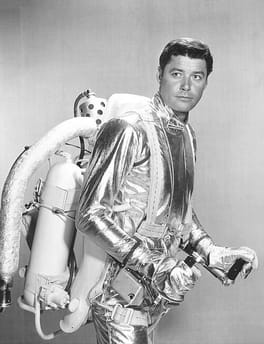
Photo: CBS Television / Public domain (source: Wikimedia Commons)
Guy Williams was born on January 14, 1924 in Manhattan, New York, United States. Public records list Guy Williams as a television actor, model and film actor. Death is recorded on April 30, 1989, at the age of 65. Listed accolades include Disney Legends (2011) and star on Hollywood Walk of Fame.
My Take
Guy Williams is a fascinating reminder that an actor can be defined by two roles and still be iconic. As Zorro and as the Robinson patriarch in Lost in Space, he gave a couple of generations their dashing, reassuring hero. Born Armando Catalano in Manhattan, he made swashbuckling look effortless in the late fifties and sixties. The Disney Legends honor and a Walk of Fame star feel earned for someone who became a household face. I find it a little poignant too — that kind of typecasting fame can be both a gift and a cage. Either way, he left a warm, durable impression.
This take was written by generative AI, one per person, from publicly reported facts (editorial policy). It is a reading of the record, not reporting.
1. Profile
- Name (English)
- Guy Williams
- Name (Japanese)
- ガイ・ウィリアムズ
- Reading
- がい・うぃりあむず
- Born
- January 14, 1924 – April 30, 1989
- Origin
- Manhattan, New York, United States
- Occupation
- actor / television actor / model / film actor
- Zodiac / Chinese zodiac
- Capricorn / Rat
2. Background
Awards & achievements
- 2011 Disney Legends
- star on Hollywood Walk of Fame
3. Links
4. About this entry
Tags
- Last updated
Facts are limited to publicly available information up to 2024; non-public or unconfirmed items are omitted. English text is machine-assisted (facts translated by Sonnet, "My Take" written by Opus 4.8). The Japanese page is the source of record.
Frequently asked questions
When was Guy Williams born?
Born January 14, 1924.
When did Guy Williams die?
Died April 30, 1989, aged 65.
Where was Guy Williams from?
Guy Williams was from Manhattan, New York, United States.
What did Guy Williams do?
Guy Williams worked as actor, television actor, model, film actor.
Actor — see all → · Television actor — see all → · More people from the United States →