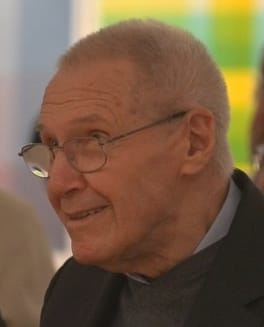
Photo: Lenke Szilágyi / CC BY-SA 3.0 (source: Wikimedia Commons)
György Kurtág was born in Lugoj, Timiș County, Romania on February 19, 1926. György Kurtág is listed as a composer, pianist and music educator. That works out to 100 years old in 2026. Education on record includes Piarist High School, Timișoara. Awards on record include Kossuth Prize (1973), Pour le Mérite for Sciences and Arts order (1999), Erkel Ferenc Prize (1954) and 5 more.
My Take
I used to find contemporary classical music forbidding, but György Kurtág is the composer who changed my mind. Born in Romania in 1926 and shaped by the Hungarian tradition, he inherited Bartók and Webern yet distilled everything into miniatures of extraordinary concentration. What captivates me is his economy, the way a handful of notes can open onto something vast. The Kossuth and Léonie Sonning prizes confirm his stature, but I am drawn less to the honors than to the sheer tension and silence in his music. That he kept composing into his late nineties strikes me as the purest kind of artistic defiance.
This take was written by generative AI, one per person, from publicly reported facts (editorial policy). It is a reading of the record, not reporting.
1. Profile
- Name (English)
- György Kurtág
- Name (Japanese)
- クルターグ・ジェルジュ
- Reading
- くるたーぐ・じぇるじゅ
- Born
- February 19, 1926 (age 100)
- Origin
- Lugoj, Timiș County, Romania
- Occupation
- composer / pianist / music educator / university teacher / librettist
- Zodiac / Chinese zodiac
- Pisces / Tiger
2. Background
- High school
- Piarist High School, Timișoara
Awards & achievements
- 1973 Kossuth Prize
- 1999 Pour le Mérite for Sciences and Arts order
- 1954 Erkel Ferenc Prize
- 2003 Léonie Sonning Music Prize
- 1984 Bartók Béla – Pásztory Ditta Award
- 1980 Meritorius Artist of Hungary
- 2006 Grand Cross of the Order of Merit of Hungary
- 2002 Hazám-díj
3. Links
4. About this entry
Tags
- Last updated
Facts are limited to publicly available information up to 2024; non-public or unconfirmed items are omitted. English text is machine-assisted (facts translated by Sonnet, "My Take" written by Opus 4.8). The Japanese page is the source of record.
Frequently asked questions
When was György Kurtág born?
György Kurtág was born on February 19, 1926 and is 100 years old.
Where is György Kurtág from?
György Kurtág is from Lugoj, Timiș County, Romania.
What does György Kurtág do?
György Kurtág works as composer, pianist, music educator, university teacher, librettist.
Which high school did György Kurtág attend?
György Kurtág attended Piarist High School, Timișoara.
Composer — see all → · Pianist — see all → · More people from Romania → · More people born on February 19 →