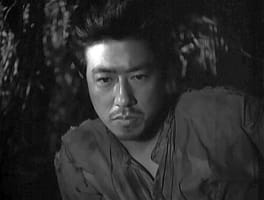
Photo: Tōei Company / Public domain (source: Wikimedia Commons)
My Take
Hajime Izu is one of those figures where the biography basically is the history — born in Tokyo in 1917, he came of age as the militarist tide was rising, worked through the wartime chaos, and kept going all the way to 2005, which means he lived through every single seismic shift modern Japan threw at him and apparently just kept acting. I don't have a filmography in front of me, but I honestly don't need one to feel the weight of that arc. An actor who started before World War II and was still around in the Heisei era carries a kind of lived texture in the face and voice that no amount of craft school can manufacture. Eighty-seven years of that, from prewar Tokyo to the early 2000s. That's not a career, that's a whole century of Japan wearing one man's face.
This take was written by generative AI, one per person, from publicly reported facts (editorial policy). It is a reading of the record, not reporting.
Overview
Hajime Izu (1917–2005) was a Japanese actor born in Tokyo. He lived through the turbulent eras of prewar, wartime, and postwar Japan, spanning the Showa and Heisei periods. He was born under the Cancer zodiac sign in the year of the Snake. Detailed records of his career, works, and personal life are not publicly available.
1. Profile
- Name (English)
- Hajime Izu
- Name (Japanese)
- 伊豆肇
- Reading
- いず はじめ
- Born
- July 6, 1917 – January 1, 2005
- Origin
- Tokyo, Japan (formerly Tokyo Prefecture)
- Occupation
- Actor
- Zodiac / Chinese zodiac
- Cancer / Snake
2. Links
- Wikipedia (Japanese)https://ja.wikipedia.org/wiki/%E4%BC%8A%E8%B1%86%E8%82%87
- Wikidatahttps://www.wikidata.org/wiki/Q11380608
3. About this entry
Tags
- Last updated
Facts are limited to publicly available information up to 2024; non-public or unconfirmed items are omitted. English text is machine-assisted (facts translated by Sonnet, "My Take" written by Opus 4.8). The Japanese page is the source of record.
Frequently asked questions
When was Hajime Izu born?
Born July 6, 1917.
When did Hajime Izu die?
Died January 1, 2005, aged 87.
Where was Hajime Izu from?
Hajime Izu was from Tokyo, Japan (formerly Tokyo Prefecture).
What did Hajime Izu do?
Hajime Izu worked as Actor.