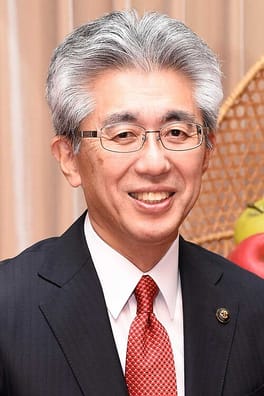
Photo: 内閣府 地方創生推進室 / CC BY 4.0 (source: Wikimedia Commons)
My Take
Hiroshi Sakurada is one of those quietly rooted politicians who came up through Hirosaki, Aomori — a city better known for its magnificent cherry blossoms and feudal castle than for producing national headlines. He graduated from Hirosaki University, stayed in the orbit of his home region, and built a career in politics largely out of the public eye. There isn't a lot of glossy biography floating around for him, and honestly that tracks — local-minded politicians often do the unglamorous, necessary work without much fanfare, and Aomori is a prefecture that tends to reward steadiness over spectacle.
This take was written by generative AI, one per person, from publicly reported facts (editorial policy). It is a reading of the record, not reporting.
Overview
Hiroshi Sakurada is a Japanese politician born on June 3, 1959, in Hirosaki, Aomori Prefecture. He attended Hirosaki University for his higher education. Detailed records of his political career and public activities are not widely disclosed in available sources.
1. Profile
- Name (English)
- Hiroshi Sakurada
- Name (Japanese)
- 櫻田宏
- Reading
- さくらだ ひろし
- Born
- June 3, 1959 (age 67)
- Origin
- Hirosaki, Aomori Prefecture, Japan
- Occupation
- Politician
- Zodiac / Chinese zodiac
- Gemini / Boar
2. Background
- University
- Hirosaki University
3. Links
- Wikipedia (Japanese)https://ja.wikipedia.org/wiki/%E6%AB%BB%E7%94%B0%E5%AE%8F
- Wikidatahttps://www.wikidata.org/wiki/Q52717386
4. About this entry
Tags
- Last updated
Facts are limited to publicly available information up to 2024; non-public or unconfirmed items are omitted. English text is machine-assisted (facts translated by Sonnet, "My Take" written by Opus 4.8). The Japanese page is the source of record.
Frequently asked questions
When was Hiroshi Sakurada born?
Born June 3, 1959 (age 67).
Where is Hiroshi Sakurada from?
Hiroshi Sakurada is from Hirosaki, Aomori Prefecture, Japan.
What does Hiroshi Sakurada do?
Hiroshi Sakurada works as Politician.