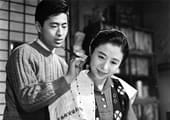
Photo: Directed by en:Kaneto Shindo, produced by en:Nikkatsu / Public domain (source: Wikimedia Commons)
Hiroyuki Nagato was credited as a child actor and businessperson. Hiroyuki Nagato was born in Nakagyō Ward, Kyoto Prefecture, Japan on January 10, 1934. Death is recorded on May 21, 2011, at the age of 77. Education on record includes Ritsumeikan University. Listed accolades include Blue Ribbon Awards for Best Actor (1960) and Golden Arrow Award.
My Take
Hiroyuki Nagato was born in Kyoto in 1934 into a film family and started as a child actor, which means he was on screen for essentially his entire life. He became a leading man, and the 1960 Blue Ribbon Award for Best Actor marks the height of that run. His younger brother, Masahiko Tsugawa, was a star in his own right. But the part of his story I cannot get past is the end of it. His wife, the actress Yoko Namida, developed dementia, and Nagato chose to let cameras document his caregiving instead of hiding it. Most public figures would never make that call. The two of them had built a glamorous life in front of audiences, and he decided the unglamorous final chapter belonged in front of them too. Calling it brave feels too tidy; it was closer to a refusal to lie. He died in 2011 at seventy-seven, and I still think that last act of exposure was the most serious work he ever did.
This take was written by generative AI, one per person, from publicly reported facts (editorial policy). It is a reading of the record, not reporting.
1. Profile
- Name (English)
- Hiroyuki Nagato
- Name (Japanese)
- 長門裕之
- Reading
- ながと ひろゆき
- Born
- January 10, 1934 – May 21, 2011
- Origin
- Nakagyō Ward, Kyoto Prefecture, Japan
- Occupation
- actor / child actor / businessperson
- Zodiac / Chinese zodiac
- Capricorn / Dog
- Active years
- 1940 - 2011
2. Background
- University
- Ritsumeikan University
Awards & achievements
- 1960 Blue Ribbon Awards for Best Actor
- Golden Arrow Award
3. Relationships
- Spouse
- 南田洋子
4. Works & records
Works summary
- Appearances
- 563 (1953–2017)
- By year
- 1953: 2, 1954: 5, 1955: 5, 1956: 10, 1957: 13, 1958: 14, 1959: 13, 1960: 9, 1961: 10, 1962: 14, 1963: 24, 1964: 21, 1965: 21, 1966: 18, 1967: 15, 1968: 9, 1969: 9, 1970: 2, 1971: 5, 1972: 9, 1973: 2, 1974: 5, 1975: 4, 1976: 5, 1977: 9, 1978: 6, 1979: 6, 1980: 11, 1981: 6, 1982: 3, 1983: 8, 1984: 9, 1985: 4, 1986: 7, 1987: 6, 1988: 8, 1989: 13, 1990: 12, 1991: 6, 1992: 9, 1993: 8, 1994: 4, 1995: 4, 1996: 4, 1997: 13, 1998: 5, 1999: 3, 2000: 7, 2001: 3, 2002: 7, 2003: 12, 2004: 9, 2005: 4, 2006: 11, 2007: 10, 2008: 14, 2009: 8, 2010: 8, 2011: 3, 2017: 1
- Debut work
- 女間者秘聞 赤穂浪士
Filmography / notable works
| Category | Title | Year |
|---|---|---|
| V-Cinema (straight-to-video film) | 獅子の鎮魂歌 許されざる者 第二章 | 2017 |
| TV drama | 財務捜査官 雨宮瑠璃子6 | 2011 |
| TV drama | 再生巨流 | 2011 |
| TV drama | 敵討ち | 2011 |
| Film | FLOWERS -フラワーズ- | 2010 |
| Film | 青い青い空 | 2010 |
| TV drama | 夏樹静子作家生活40周年記念作品・天使が消えていく | 2010 |
| TV drama | 高萩の捨五郎 | 2010 |
| TV drama | 湯けむりスナイパー お正月スペシャル | 2010 |
| TV drama | 大魔神カノン | 2010 |
| Radio | 妻・南田洋子とわたし(1)俳優 長門裕之 | 2010 |
| Radio | 妻・南田洋子とわたし(2)俳優 長門裕之 | 2010 |
| Film | プライド | 2009 |
| Film | 特命女子アナ 並野容子 | 2009 |
| Film | 新宿インシデント | 2009 |
| Film | 旭山動物園物語 ペンギンが空をとぶ | 2009 |
| TV drama | ショカツの女3 | 2009 |
| TV drama | 必殺仕事人2009 第8話 | 2009 |
| TV drama | 落日燃ゆ | 2009 |
| TV drama | 湯けむりスナイパー | 2009 |
| Film | 夢のまにまに | 2008 |
| Film | 火垂るの墓 | 2008 |
| Film | 次郎長三国志 | 2008 |
| Film | 黄金花 | 2008 |
| TV drama | 篤姫 | 2008 |
| TV drama | 監査法人 | 2008 |
| TV drama | 瀬戸内しまなみ殺人海流 | 2008 |
| TV drama | 引き込み女 | 2008 |
| TV drama | 太鼓叩きゃ出るホコリ -諏訪- | 2008 |
| TV drama | 第39部 - 第40部 | 2008 |
| TV drama | ケータイ捜査官7 | 2008 |
| TV drama | おみやさん第6シリーズ 第6話 | 2008 |
| V-Cinema (straight-to-video film) | 実録愚連隊の神様 万年東一 | 2008 |
| V-Cinema (straight-to-video film) | 実録・愚連隊の神様 万年東一 完結編 | 2008 |
| Film | 俺は、君のためにこそ死ににいく | 2007 |
| Film | 転校生 -さよなら あなた- | 2007 |
| Film | 22才の別れ Lycoris 葉見ず花見ず物語 | 2007 |
| Film | 裁判員〜選ばれ、そして見えてきたもの | 2007 |
| TV drama | どんど晴れ | 2007 |
| TV drama | 一本眉 | 2007 |
| TV drama | 王様の心臓〜リア王より〜 | 2007 |
| TV drama | 伊賀・道悦の野望 | 2007 |
| Stage | 座頭市 | 2007 |
| V-Cinema (straight-to-video film) | 常に最悪を覚悟しろ! | 2007 |
| Film | スケバン刑事 コードネーム=麻宮サキ | 2006 |
| Film | 寝ずの番 | 2006 |
| TV drama | ナショナル劇場50周年記念特別企画スペシャル | 2006 |
| TV drama | 銘酒を守った頑固者 -宮島- | 2006 |
| TV drama | 襲撃された越前!! 涙の父娘…命を賭けた最後の白州 | 2006 |
| TV drama | 戦国自衛隊・関ヶ原の戦い | 2006 |
| TV drama | 生と死を分けた理由…アース・クエイク 平成18年春・東京大震災 | 2006 |
| V-Cinema (straight-to-video film) | 新・日本の首領8 | 2006 |
| V-Cinema (straight-to-video film) | 新・日本の首領 完結編 | 2006 |
| V-Cinema (straight-to-video film) | 極道の山本じゃ! 捨て身の極道編 | 2006 |
| V-Cinema (straight-to-video film) | 極道の山本じゃ2 伝説の親分編 | 2006 |
| Film | 男前 日本一の画家になったる! | 2005 |
| TV drama | 閣下の城 | 2005 |
| TV drama | 名奉行! 大岡越前 | 2005 |
| TV drama | 油問屋山崎屋の一件 | 2005 |
| Film | おにぎり ARCADIA物語 | 2004 |
5. Links
- Wikipedia (English)https://en.wikipedia.org/wiki/Hiroyuki%20Nagato
- Wikipedia (Japanese)https://ja.wikipedia.org/wiki/%E9%95%B7%E9%96%80%E8%A3%95%E4%B9%8B
- Wikidatahttps://www.wikidata.org/wiki/Q555493
6. About this entry
Tags
- Last updated
Facts are limited to publicly available information up to 2024; non-public or unconfirmed items are omitted. Works and profile fields sourced from Wikipedia reflect content as of 2026-08-26. English text is machine-assisted (facts translated by Sonnet, "My Take" written by Opus 4.8). The Japanese page is the source of record.
Frequently asked questions
When was Hiroyuki Nagato born?
Born January 10, 1934.
When did Hiroyuki Nagato die?
Died May 21, 2011, aged 77.
Where was Hiroyuki Nagato from?
Hiroyuki Nagato was from Nakagyō Ward, Kyoto Prefecture, Japan.
What did Hiroyuki Nagato do?
Hiroyuki Nagato worked as actor, child actor, businessperson.
When was Hiroyuki Nagato active?
1940 - 2011.
What was Hiroyuki Nagato known for?
Notable works include 獅子の鎮魂歌 許されざる者 第二章, 財務捜査官 雨宮瑠璃子6, 再生巨流.
Actor — see all → · Child actor — see all → · More people from Japan →