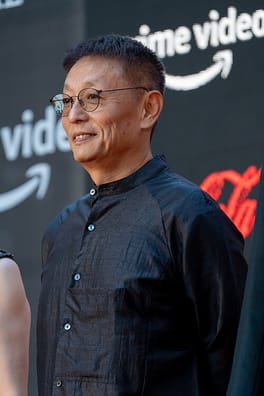
Photo: Dick Thomas Johnson from Tokyo, Japan / CC BY 2.0 (source: Wikimedia Commons)
Hou Yong was born on September 26, 1960. Hou Yong is a cinematographer, film director and screenwriter. The age as of 2026 is 65.
My Take
Hou Yong is a name any serious fan of Chinese cinema should know. As a cinematographer he helped shape the lush, saturated visual language audiences associate with Zhang Yimou, and that alone earns my respect. But what truly impresses me is his refusal to stay behind the camera, stepping up to direct Jasmine Women with Zhang Ziyi in 2004. Moving from capturing a director's vision to owning one is a rare and risky leap. The fact that he collaborated with so many of China's major directors tells me how deeply he was trusted on set. A craftsman of light, and one I genuinely admire.
This take was written by generative AI, one per person, from publicly reported facts (editorial policy). It is a reading of the record, not reporting.
1. Profile
- Name (English)
- Hou Yong
- Name (Japanese)
- 侯咏
- Reading
- ほう・よん
- Born
- September 26, 1960 (age 65)
- Occupation
- cinematographer / film director / screenwriter
- Zodiac / Chinese zodiac
- Libra / Rat
2. Links
- Wikipedia (English)https://en.wikipedia.org/wiki/Hou%20Yong%20(cinematographer)
- Wikipedia (Japanese)https://ja.wikipedia.org/wiki/%E4%BE%AF%E5%92%8F
- Wikidatahttps://www.wikidata.org/wiki/Q5947811
3. About this entry
Tags
- Last updated
Facts are limited to publicly available information up to 2024; non-public or unconfirmed items are omitted. English text is machine-assisted (facts translated by Sonnet, "My Take" written by Opus 4.8). The Japanese page is the source of record.
Frequently asked questions
When was Hou Yong born?
Born September 26, 1960 (age 65).
What does Hou Yong do?
Hou Yong works as cinematographer, film director, screenwriter.